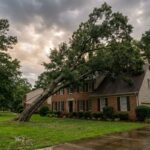
Tree Service Blog: Expert Tree Care Tips for Raleigh, NC
-
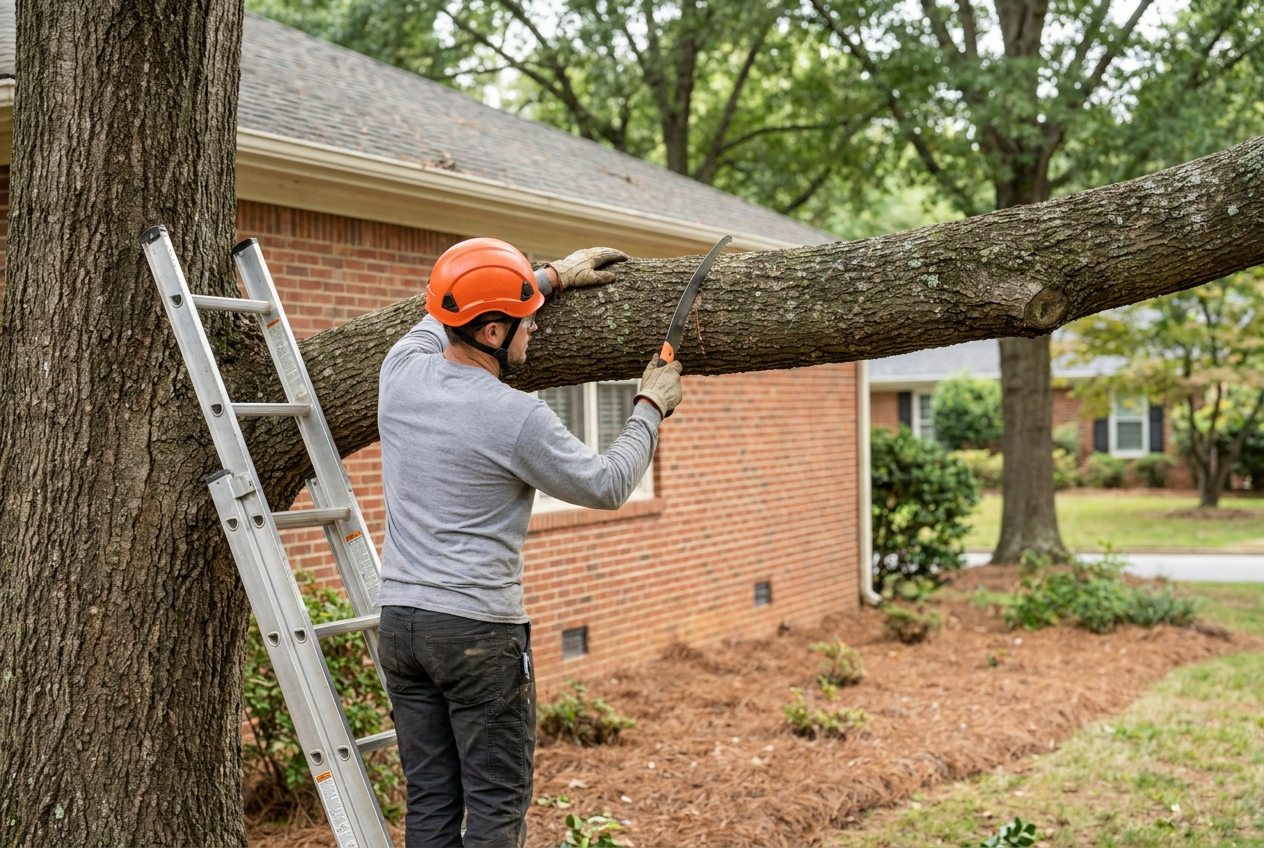
Bad Tree Pruning: 7 Mistakes Raleigh Homeowners Make
The seven most common tree pruning mistakes in Raleigh, from topping and flush cuts to lion tailing and over pruning, and how to fix a badly pruned tree.
-
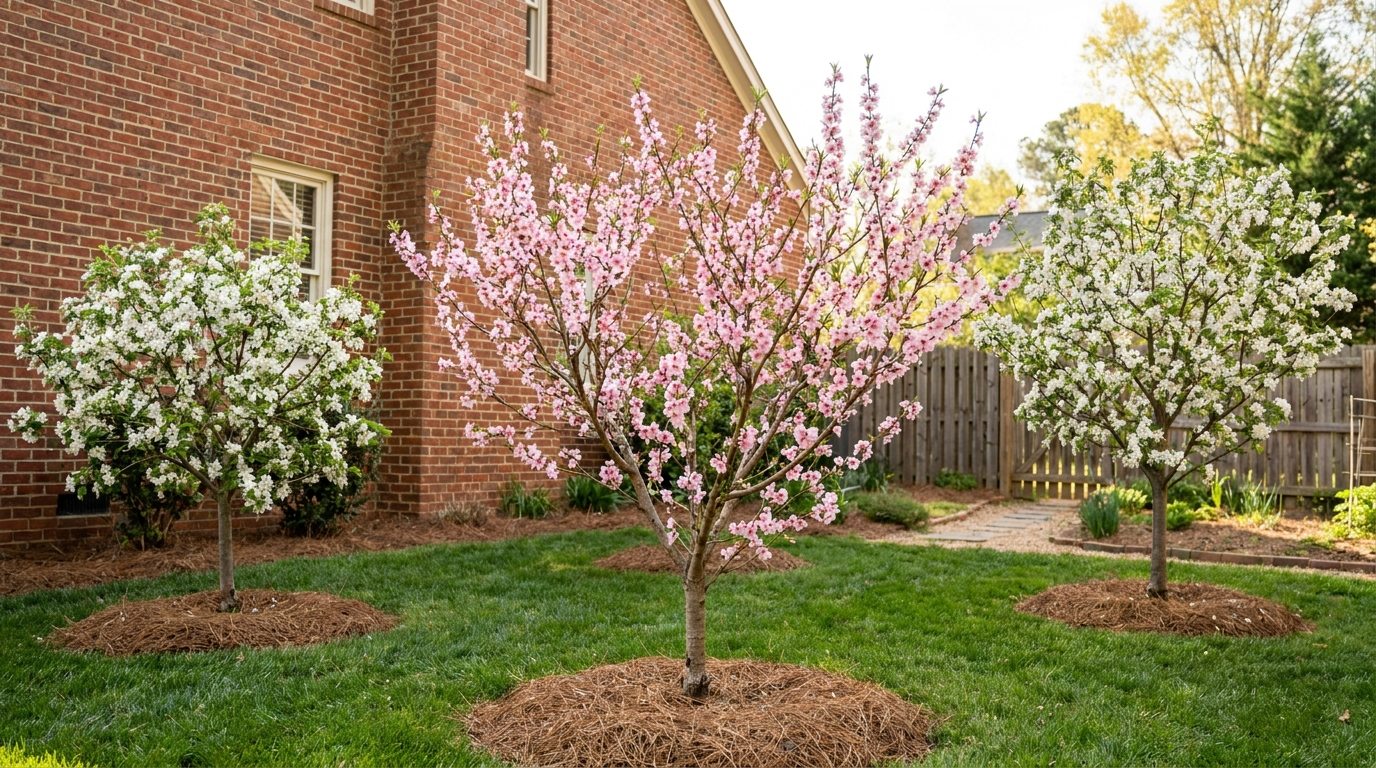
When to Prune Fruit Trees in NC: Apple, Peach and Pear Guide
The best time to prune fruit trees in North Carolina is late winter. Timing and methods for apple, pear, peach, plum and fig trees in Raleigh.
-
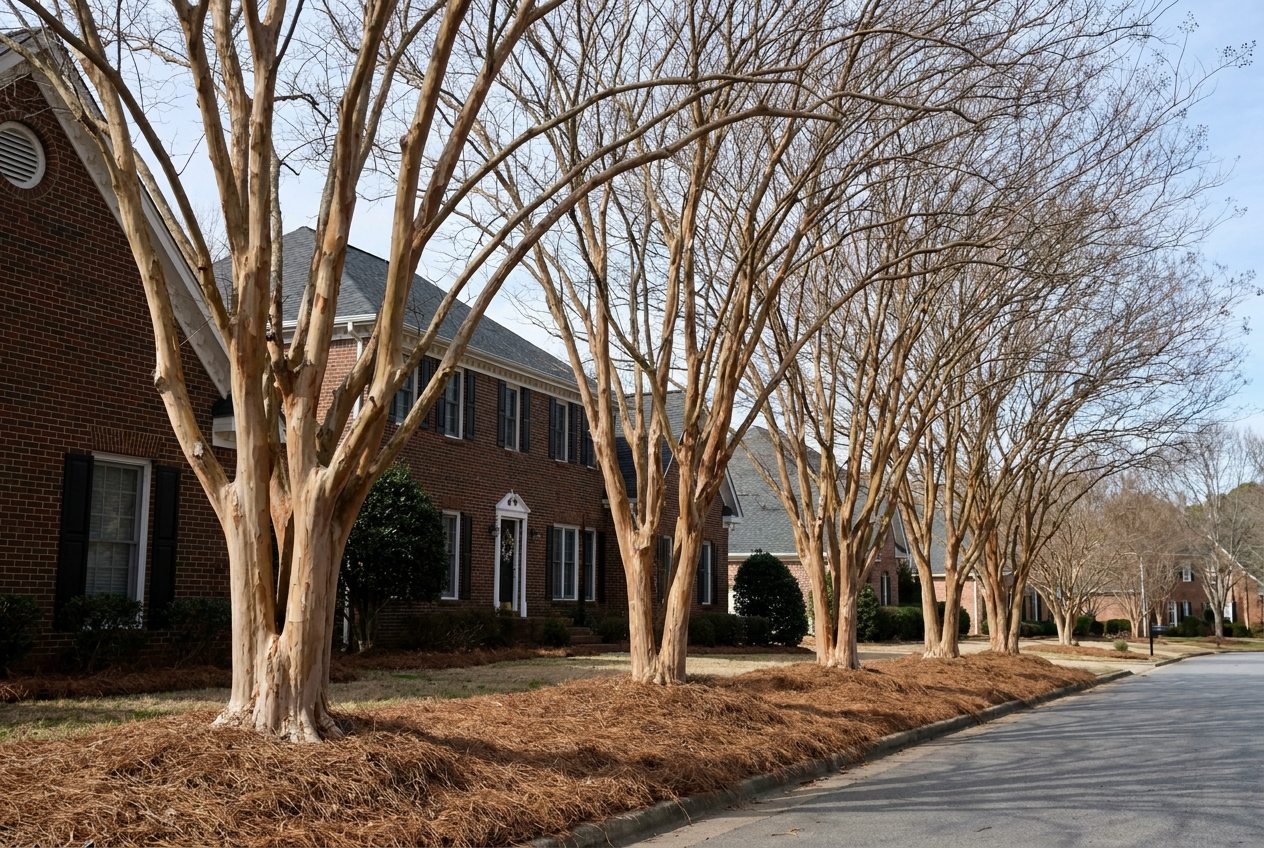
When to Prune Crepe Myrtles in NC (and Why Crape Murder Hurts Them)
The best time to prune crepe myrtles in North Carolina is late February to early March. Learn why topping hurts them, how to prune without it and how to fix a topped tree.
-
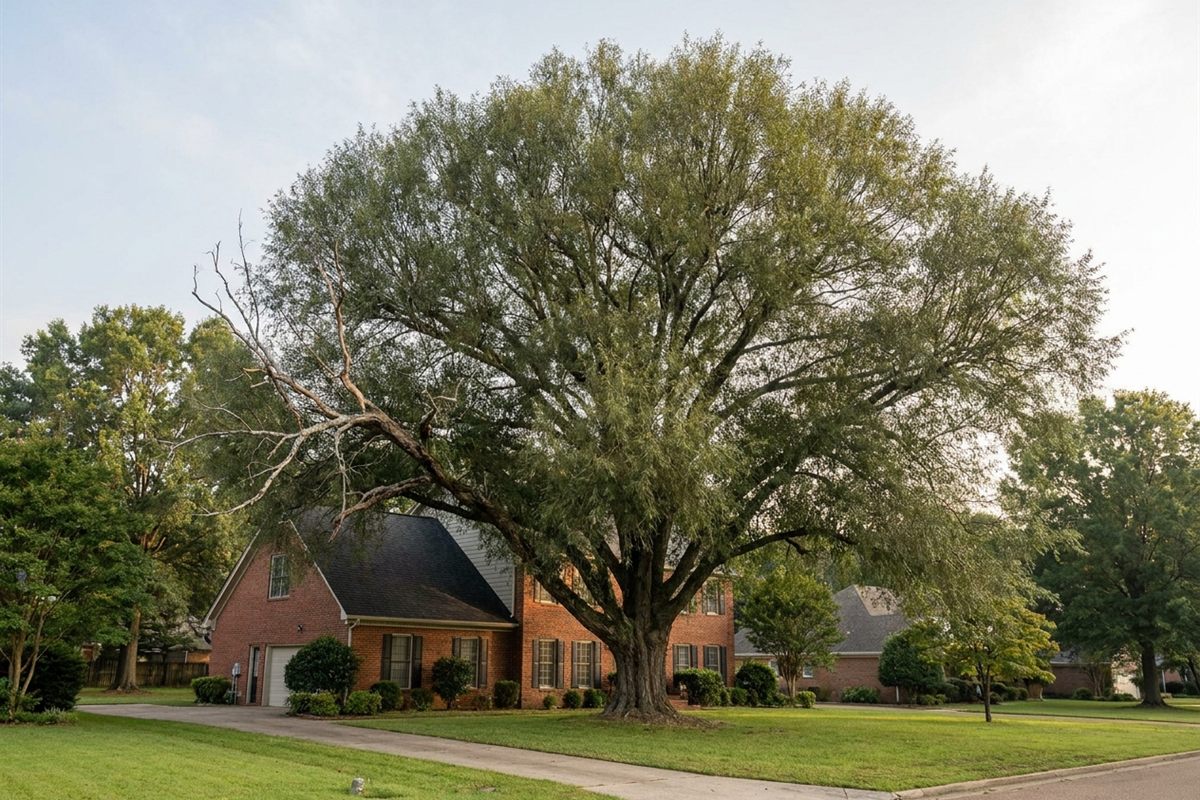
Willow Oaks in Raleigh: Why the City of Oaks’ Old Trees Are Failing and When to Remove One
Raleigh Willow Oaks at a Glance Willow oaks are native to North Carolina, fast growing and long lived, and they shade many of Raleigh’s older streets and yards. Many of the biggest ones are now old, and years of drought, root damage from construction, and compacted soil leave them open to decay, hypoxylon canker, root…
-
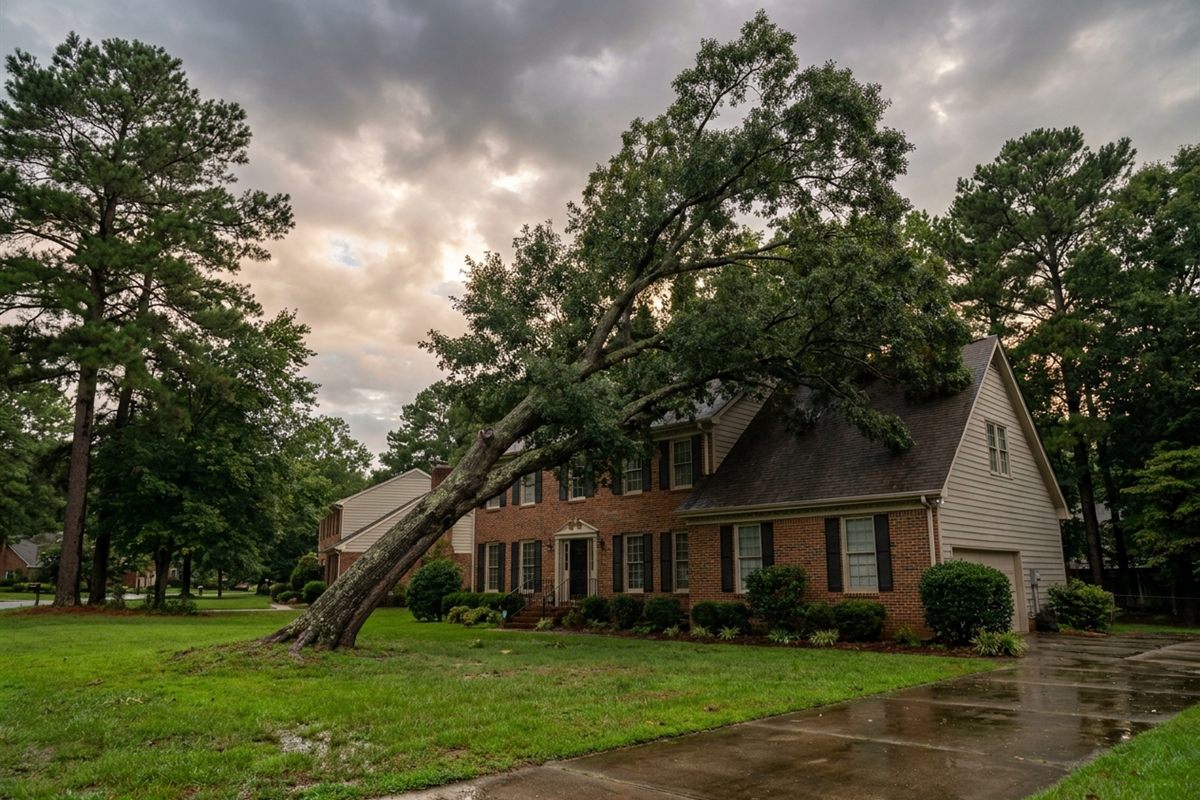
Leaning Tree in Your Raleigh Yard? When It Is Dangerous in Wake County Clay Soil
Leaning Trees at a Glance A tree that has leaned the same way for decades has usually grown extra wood to carry that weight, and it is rarely an emergency. A tree that starts leaning suddenly, especially after heavy rain, is a different story, because in Raleigh’s red clay a sudden lean almost always means…
-
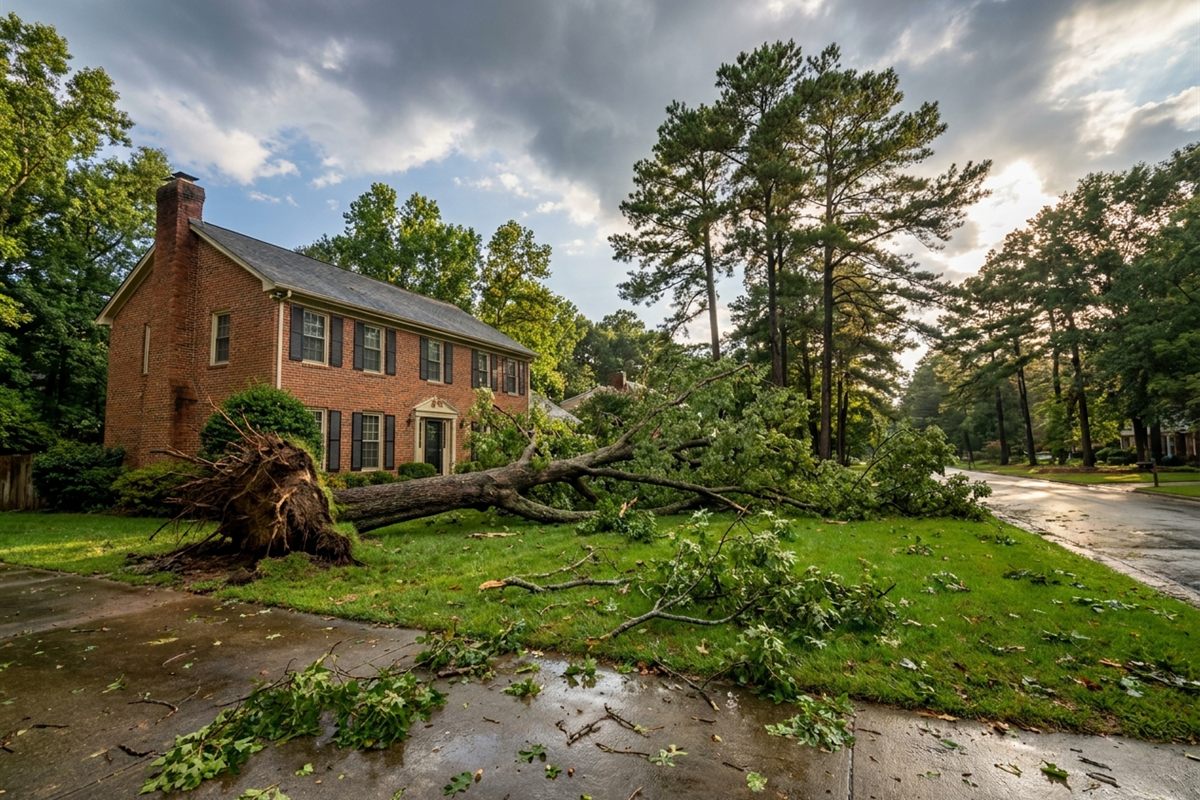
Storm Damage Tree Cleanup in Raleigh, NC: City Pickup Rules, Costs and Who to Call
Storm Damage Cleanup at a Glance The City of Raleigh collects normal yard waste at the curb, but only within strict limits: tied bundles no longer than five feet, limbs no thicker than six inches, and no stumps. Anything bigger, anything hanging in a tree, and anything resting on a roof, fence or power line…
-
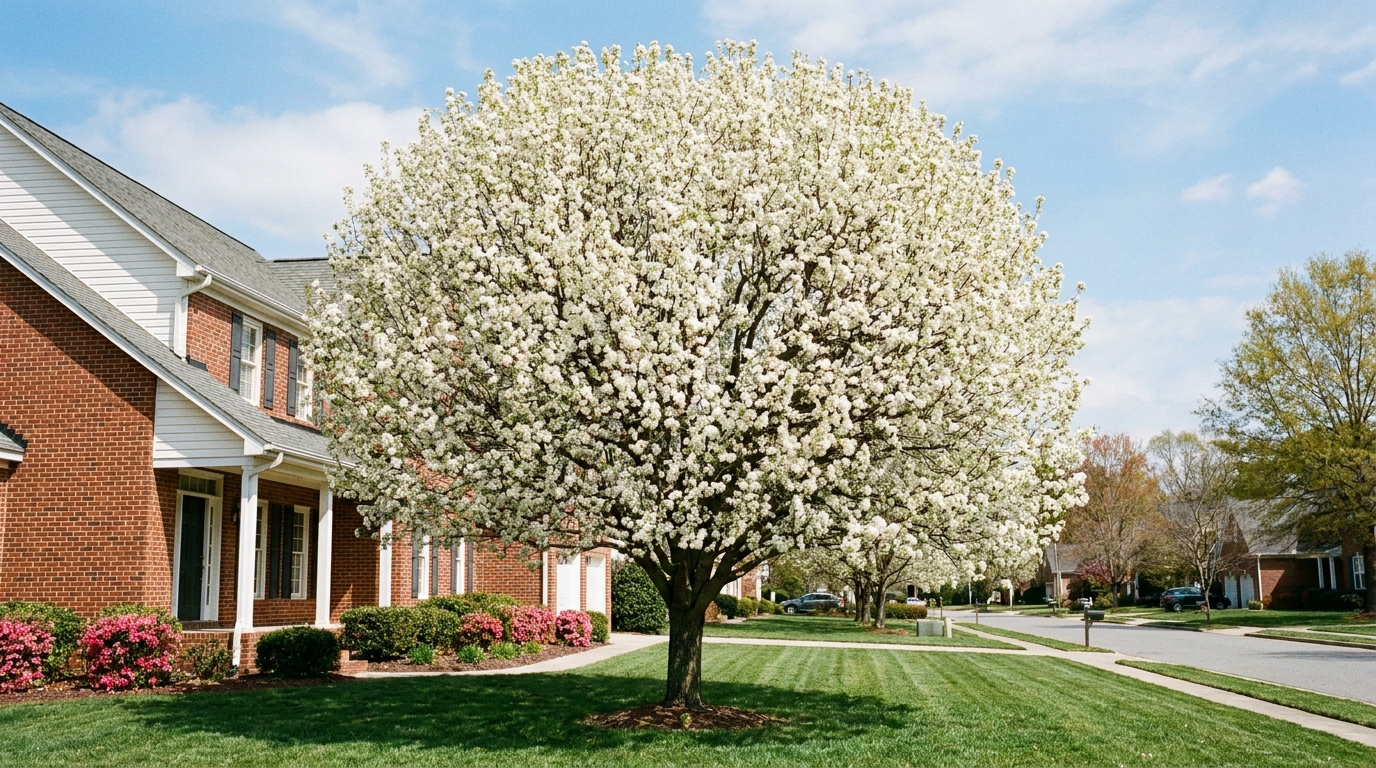
Bradford Pears in Raleigh: Why They Split in Storms and What to Plant Instead
Short version Bradford pears were planted across Raleigh by the thousand in the 1980s and 1990s, and they are now reaching the age where they come apart. The flaw is structural and built in, because all the main limbs emerge from nearly the same point on the trunk at tight angles that trap bark and…
-
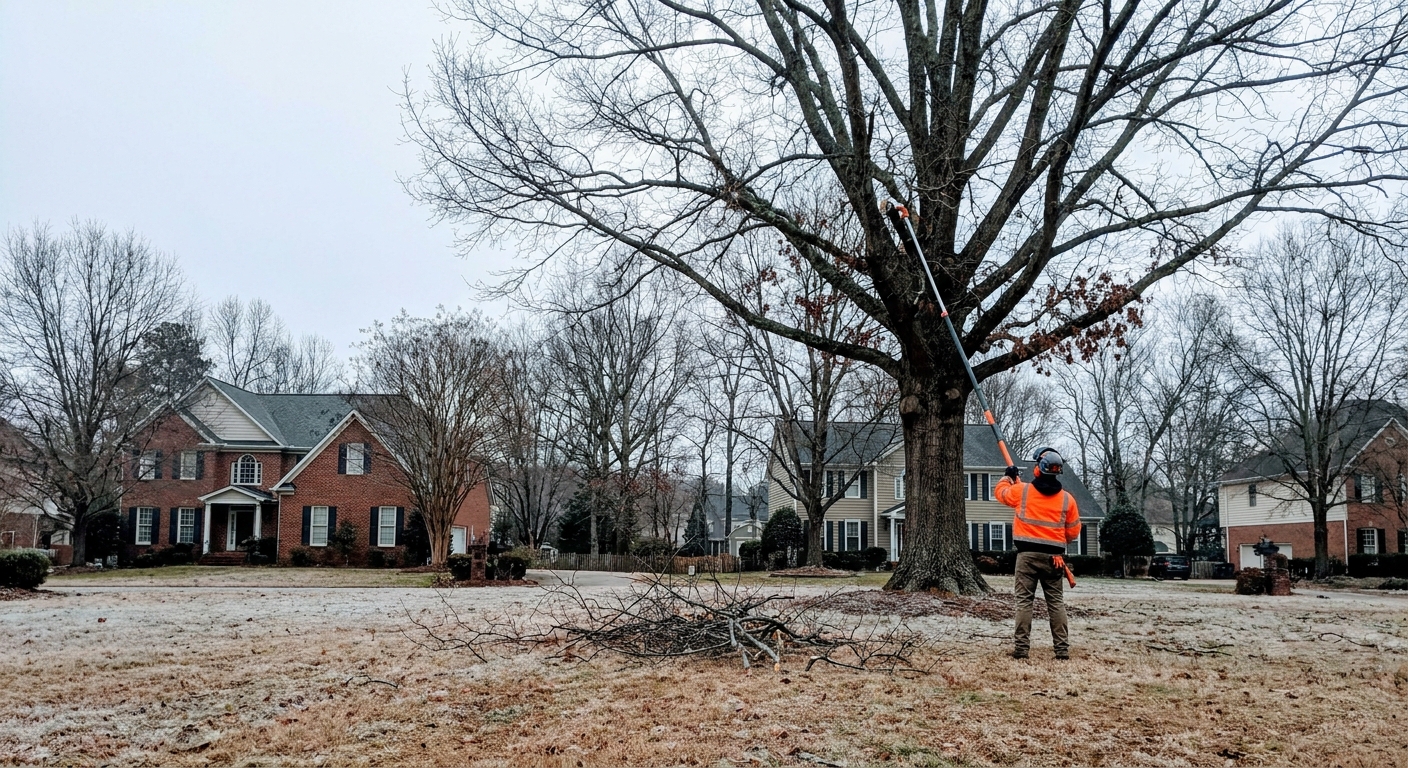
When to Trim Trees in Raleigh: A Month-by-Month Guide for Wake County
Short version For most trees in Raleigh, late winter is the best time to trim, roughly late January through early March while the tree is dormant and just before growth begins. Autumn is the worst time for significant pruning, because wounds seal slowly and decay fungi are actively releasing spores. Dead, broken, or hazardous wood…
-
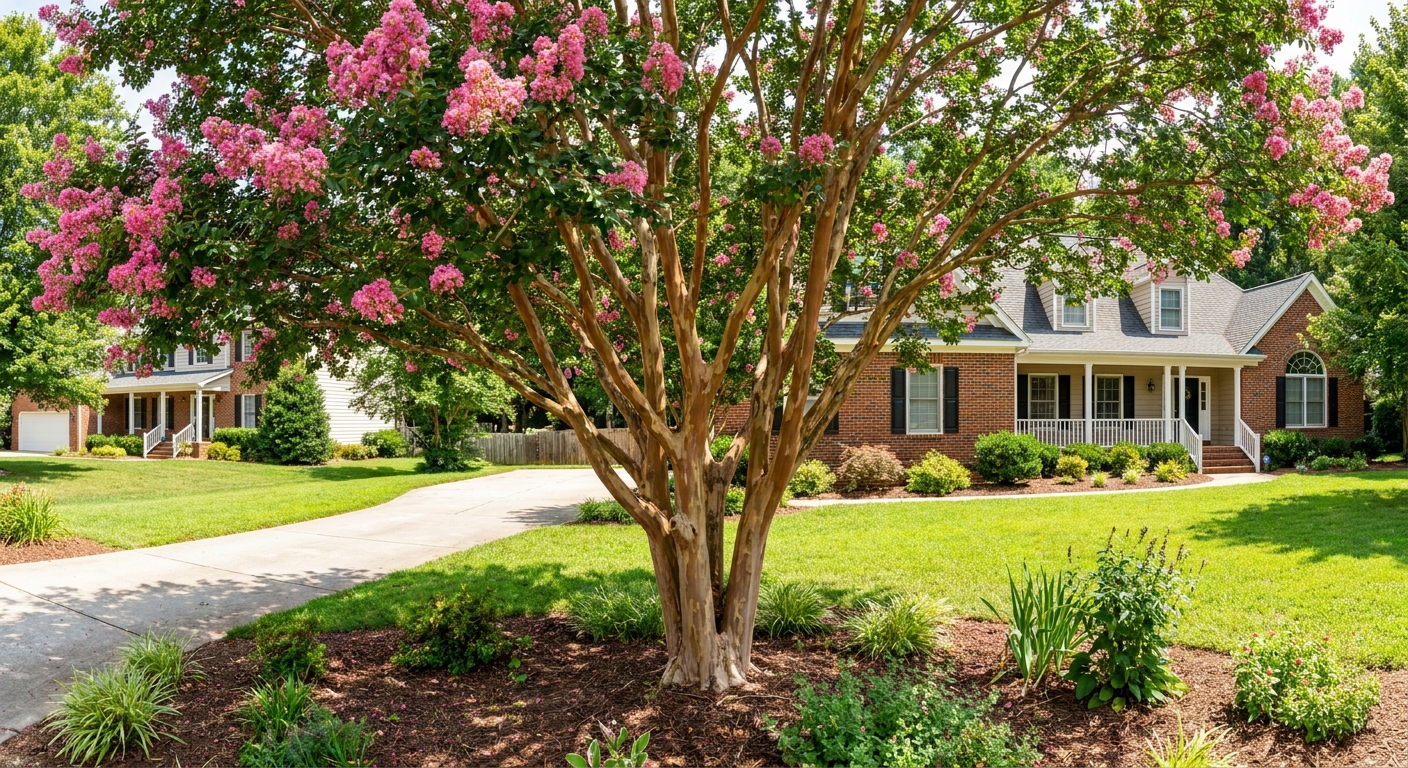
Crape Murder and Tree Topping: The Two Worst Things Raleigh Homeowners Do to Their Trees
Short version Tree topping means cutting a tree’s main limbs back to stubs, and it is the single most damaging thing that can be done to a mature tree. It does not make a tree safer. It creates weak, fast-growing regrowth attached to decaying stubs, which is exactly the structure that fails in the next…
-
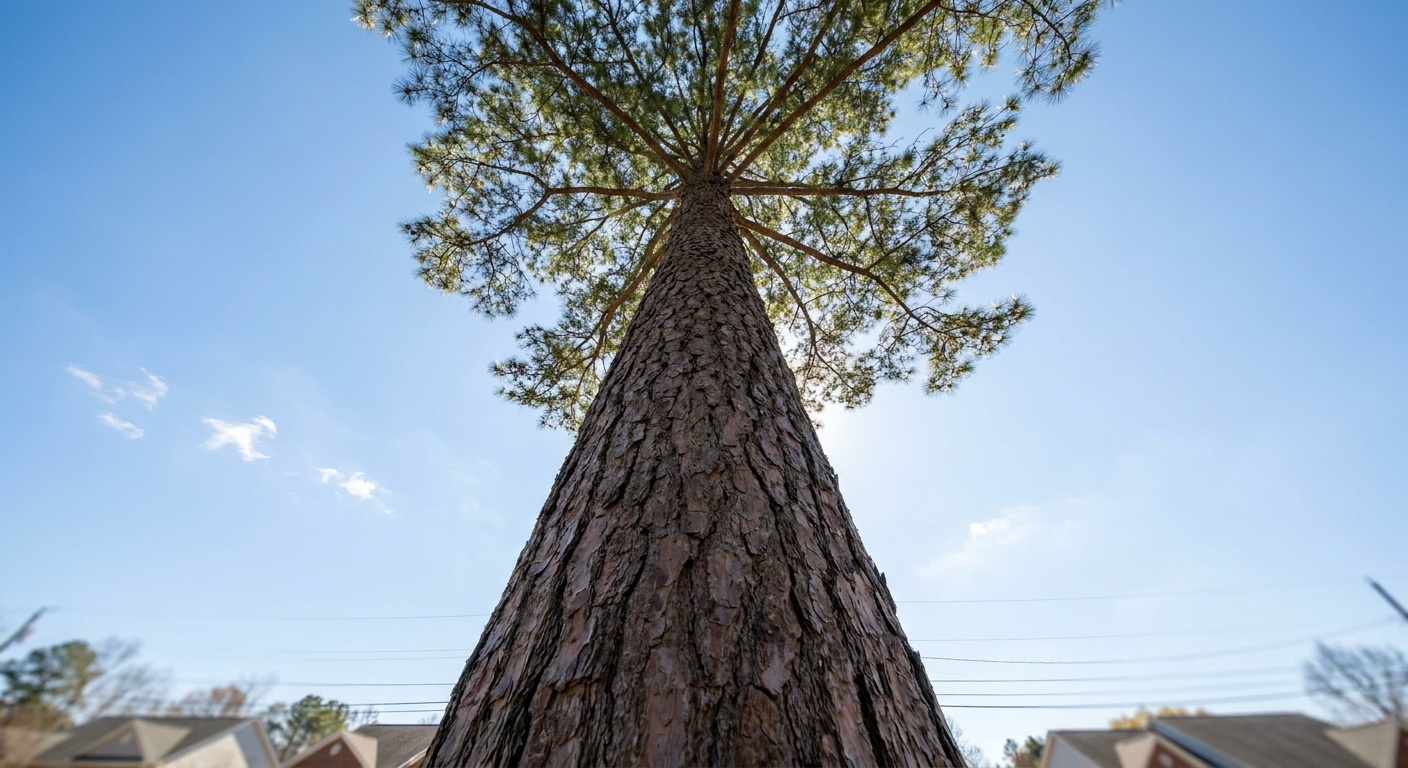
Loblolly Pines in Raleigh: Why They Fall, and When to Take One Down
Short version The loblolly pine is the tree most Raleigh homes were built around, and it is also the tree most likely to end up on a roof. It grows fast, gets very tall, and holds itself up on a root plate that is shallow and wide rather than deep. Once a loblolly starts to…