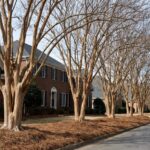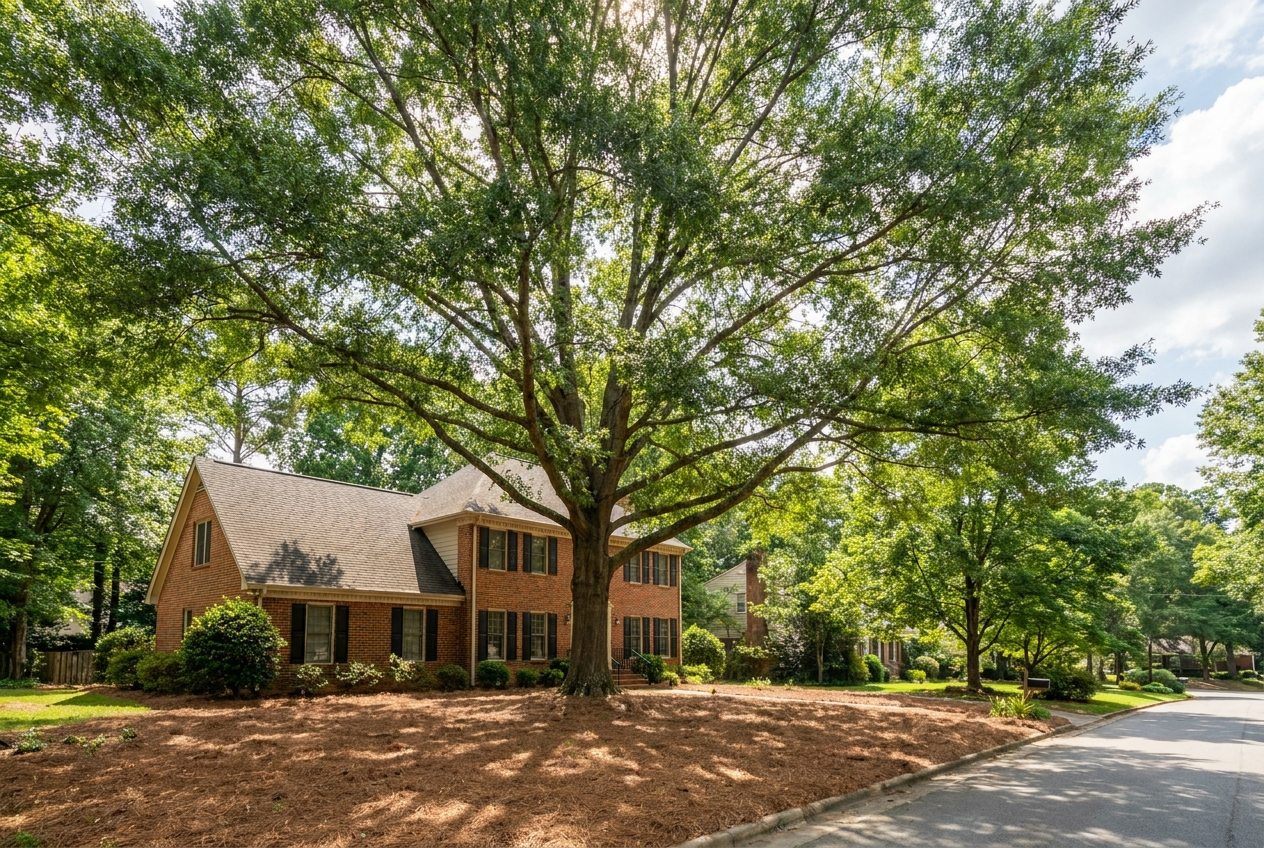
Tree Pruning Before and After at a Glance
A well-pruned tree should look healthier, lighter and safer afterward, not chopped. After proper pruning, you should see dead wood gone, crossing branches removed, clear space over the roof and driveway, and an even canopy that keeps the tree’s natural shape. You should not see flat-topped limbs, stubs, bare interior branches or more than about a quarter of the leaves removed. Oaks, maples and pines in Raleigh are usually pruned in the dormant season, and the difference shows most clearly the following spring and summer.
Every tree pruning job starts with a before and ends with an after, and the difference between the two tells you almost everything about the quality of the work. A good after picture shows a tree that looks like a cleaner, safer version of itself. A bad one shows a tree that has been cut down to size, with stubs, bare limbs and a canopy that no longer looks natural. Knowing what to look for helps you judge a pruning job before you pay for it.
Our certified arborists have been pruning trees across Raleigh, Cary, Apex and Wake Forest for more than 30 years. Most of our work is on mature oaks, maples and pines that stand close to homes, where the before and after can mean the difference between a limb resting on the gutters and a roof with clear space all around. The examples throughout show what each type of pruning changes, and what a homeowner should expect to see when the crew drives away.
Tree Pruning Before and After: What Good Pruning Changes

Before pruning, a mature yard tree in Raleigh often has the same set of problems. Limbs reach over the roof and scrape the shingles in wind, dead branches hang in the canopy, low limbs crowd the driveway and the crown is so dense that the lawn underneath barely grows. None of these problems is dramatic on its own, but together they raise the risk of damage in every summer storm. Good pruning deals with each one while leaving the tree’s natural shape intact.
After pruning, the tree should look lighter and more open, with light reaching through the canopy and clear space over the house. The outline of the crown should look much the same from the street. That is the clearest sign of good work: the tree looks better, but it still looks like itself.
| What You See | Before Pruning | After Proper Pruning |
|---|---|---|
| Roof and gutters | Limbs touching or hanging over the roof | Clear space between the canopy and the house |
| Canopy density | Crowded, dark crown with little light inside | Open, even canopy with light reaching the lawn |
| Dead wood | Grey, leafless branches in the crown | Dead and broken branches removed |
| Low limbs | Branches blocking the driveway or sidewalk | Clearance for cars, people and mowers |
| Shape | Lopsided or overgrown | Natural shape kept, balanced weight |
| Cuts | Not applicable | Small, clean cuts just outside the branch collar |
If you want to see what proper pruning would change on your own trees, our tree pruning service in Raleigh starts with a free walk around the property with a certified arborist.
Want to Know What Pruning Would Change on Your Trees?
Our certified arborist will walk your property, show you exactly which branches should come off and give you a clear written price. Every estimate is free and comes with no obligation.
Oak Tree Trimming Before and After in Raleigh
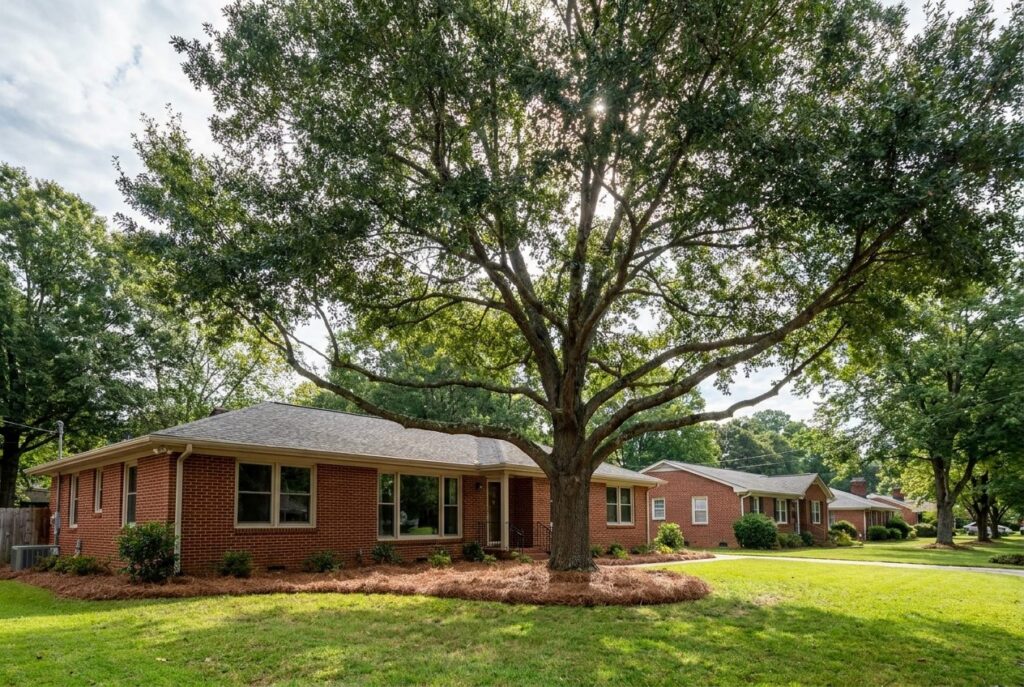
Oak tree trimming is the job we are asked about most in Raleigh, the City of Oaks. Willow oaks, red oaks and white oaks are some of the largest trees standing next to homes anywhere in Wake County, and they grow heavy limbs that reach a long way out over roofs and driveways. Trimming oak trees well means removing dead wood, thinning crowded branches and shortening or removing limbs that hang over the house, without stripping the tree or cutting it back to stubs.
The best time to trim oak trees in Raleigh is the dormant season, from late fall through winter, when the leaves are down and fresh cuts attract fewer insects. Arborists in North Carolina typically avoid pruning oaks from mid-April through August. With the leaves gone, every branch is easy to see, so the crew can choose cuts precisely. Mature oaks are sensitive to heavy cutting, and the International Society of Arboriculture advises removing no more than 25 percent of the crown at once, and less on mature trees (ISA). We remove only what the tree needs to lose. Our guide to willow oak trees in Raleigh explains why older oaks need such careful handling.
Oak Tree Trimming Before and After Checklist
- Dead and broken limbs removed from the entire crown
- Limbs over the roof shortened or removed back to a side branch
- Crossing and rubbing branches taken out
- Low limbs raised over the driveway and walkways
- Canopy thinned evenly, not stripped from the inside
- No topping, no stubs and no flush cuts
A properly trimmed oak should hold up better in summer thunderstorms and the tail ends of tropical storms, because the weight on each limb is reduced and the wind can pass through the crown. The work usually needs repeating every three to five years on a mature oak.
Crown Thinning and Crown Reduction Before and After

Crown thinning removes selected branches evenly throughout the canopy so light and air can move through the tree. Before thinning, the crown looks dense and heavy, with branches crossing and crowding one another. After thinning, the tree looks lighter and you can see sky through the canopy, but the overall size and shape are unchanged. Thinning also reduces the wind load on each limb, which matters on tall trees near homes.
Crown reduction makes a tree smaller by shortening limbs back to a healthy side branch. The International Society of Arboriculture recommends that the remaining branch be at least one-third the diameter of the limb being removed, so the tree can take over the job of the removed wood (ISA TreesAreGood). Done this way, a reduced tree keeps a natural, rounded outline. Done badly, it becomes topping.
| Pruning Type | What It Does | What the After Should Look Like |
|---|---|---|
| Crown cleaning | Removes dead, diseased and broken branches | Same shape, no grey or hanging limbs |
| Crown thinning | Removes selected branches throughout the canopy | Lighter canopy, same outline |
| Crown raising | Removes lower limbs | Clearance underneath, trunk visible |
| Crown reduction | Shortens limbs back to side branches | Smaller tree with a natural rounded shape |
| Structural pruning | Shapes young trees to one strong trunk | Well-spaced branches on a single leader |
Most jobs combine two or three of these pruning types on the same tree. A mature oak over a house might need cleaning, thinning and some reduction over the roof in one visit.
Crown Raising Before and After: Clearance Over Driveways and Roofs

Crown raising removes the lowest limbs of a tree to create clearance for people, cars, mowers and buildings. Before raising, low branches brush the tops of cars, block sidewalks and shade out lawns. After raising, the trunk is visible, the space underneath is usable and the tree looks taller and more open. It is one of the most noticeable before and after changes a homeowner can see.
The key is not to take off too many lower limbs at once. Lower branches help a young tree build a strong, tapered trunk, so on younger trees we raise the crown gradually over several years. On mature trees, we raise only as high as the space underneath actually needs. Our tree trimming service handles clearance trimming over roofs, driveways and walkways across Raleigh.
Crown Raising Before and After: What Changes
- Clear height over driveways for cars and delivery trucks
- Walkways and sidewalks free of low branches
- More light reaching the lawn and garden beds
- Space between the canopy and the roof or siding
- Better view of the house from the street
- A balanced crown with enough lower limbs left to support the trunk
Deadwooding Before and After: Removing Dead Limbs Safely

Deadwooding, also called crown cleaning, removes dead, dying and broken branches from the canopy. Before deadwooding, you can usually spot grey, bark-shedding branches that did not leaf out, often in the upper crown where they are hard to see from the ground. Those dead limbs are brittle and can drop without warning, especially in wind. After deadwooding, the canopy is all living wood, and the risk of a branch landing on someone or something underneath is far lower.
Dead branches on large oaks and pines are removed by climbing arborists or from a bucket truck, with heavier pieces lowered on ropes so nothing drops onto your roof. Dead wood can be removed at any time of year, because it carries no risk to the tree. If a tree has a lot of dead wood in the crown, it may be a sign of a deeper problem, and our arborist will check the trunk and roots as well.
★★★★★
“The Ashland Tree Service team was great. Came in, worked quickly pruning some large oaks, left the yard clean.”
Dan L. · Verified Google Review
Structural Pruning Before and After on Young Trees

Structural pruning shapes young and middle-aged trees so they grow one strong central trunk with well-spaced branches. Before structural pruning, a young tree may have two trunks of equal size forming a tight V, crossing branches and limbs bunched together at one point. Left alone, those weak forks often split apart once the tree is large and heavy. After structural pruning, the tree has one clear leader and branches spaced evenly up and around the trunk.
The before and after difference on a young tree is small on the day, but it shows up decades later as a tree that stands up to storms instead of splitting. A few small cuts every two or three years while a tree is young prevent the large, risky cuts that would be needed later. Flowering trees benefit too, and our crape myrtle pruning service uses the same approach to keep crape myrtles strong without topping them.
Signs a Young Tree Needs Structural Pruning
- Two or more trunks of similar size competing for the top
- A tight V-shaped fork with bark pinched between the stems
- Branches crossing or rubbing against each other
- Several large branches growing from the same point on the trunk
- Low limbs that will soon block a driveway or walkway
- A lopsided crown leaning toward the house or street
Proper Tree Pruning Before and After: How a Good Cut Heals

The most telling before and after is often the cut itself. A properly made pruning cut sits just outside the branch collar, the slightly swollen ring where a branch joins the trunk. Over the following seasons, the tree grows an even ring of new wood around the wound, often called a doughnut, until the cut is covered over. A cut that seals this way keeps decay out of the trunk.
Bad cuts tell a different story. Flush cuts made tight against the trunk leave large, oval wounds that seal slowly or not at all, while stubs left beyond the collar die back and rot. Torn bark under a cut shows a heavy limb was removed in one pass instead of with the three-cut method. If you are not sure when the trees in your yard should be pruned, our month-by-month tree trimming calendar for Raleigh covers the timing for each species.
Pine Tree Trimming Before and After in Raleigh
Loblolly pines are the other tree we trim most often in Raleigh, and their before and after looks different from an oak. Before trimming, a typical yard pine carries a row of dead lower limbs, a few broken branches from past storms and long limbs reaching toward the roof. Pines naturally shed their lower branches as they grow, but the dead ones can hang on for years before dropping. After trimming, the dead wood is gone, the trunk is clean to a sensible height and the remaining live crown sits evenly on top of the tree.
The biggest mistake with pines is over-raising them. Stripping away too many live lower limbs leaves a tall, bare trunk with a small tuft of green at the top, which puts more strain on the tree in high wind. A good pine trimming job removes dead and hazardous limbs, clears the roof and keeps plenty of live crown, usually at least the upper half of the tree. Done this way, a pine looks tidy from the street and is far less likely to drop limbs on your roof during hurricane season.
Pine Tree Trimming Before and After: What Changes
- Dead lower limbs removed cleanly at the trunk
- Broken and hanging branches taken out of the crown
- Limbs reaching toward the roof shortened or removed
- Enough live crown left to keep the tree strong
- Pine cones and debris raked up and hauled away
- A clear view of the trunk for spotting cracks or lean
Our Crew at Work Around Raleigh
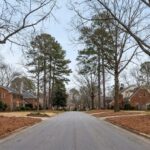
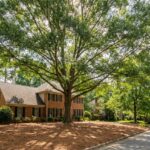
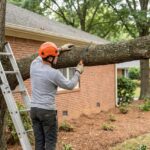
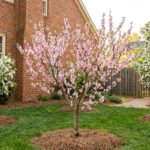
From oak trimming over roofs to crown raising over driveways, our crew handles every pruning job with the same care and cleanup. These are recent jobs from around Raleigh and Wake County.
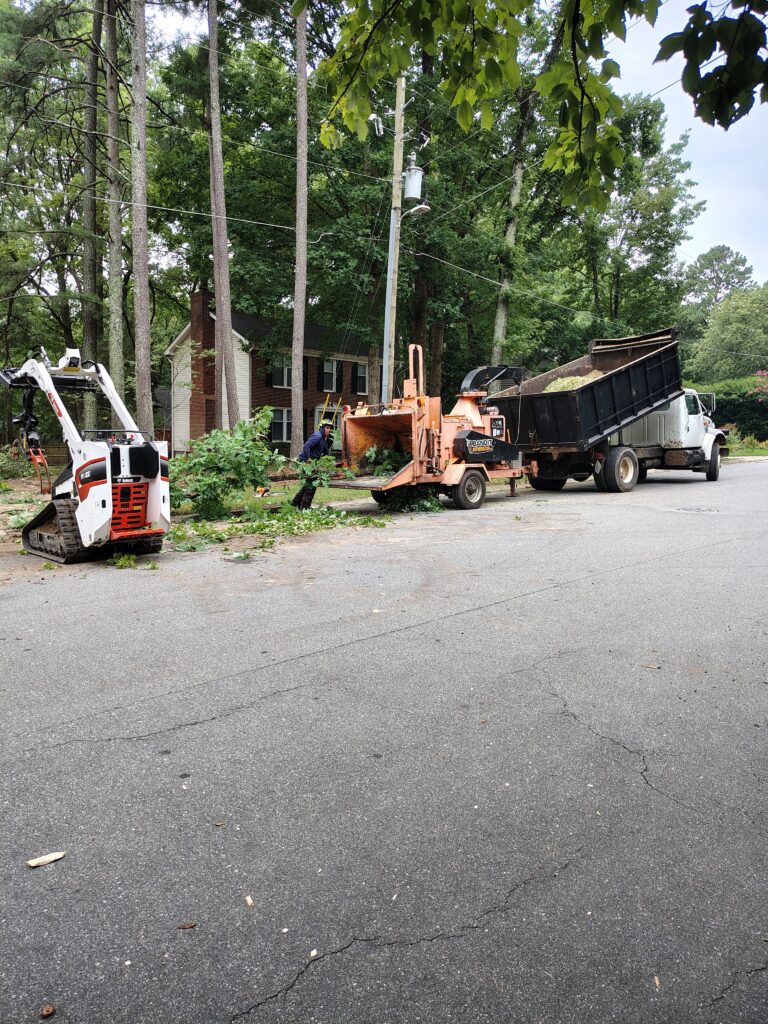
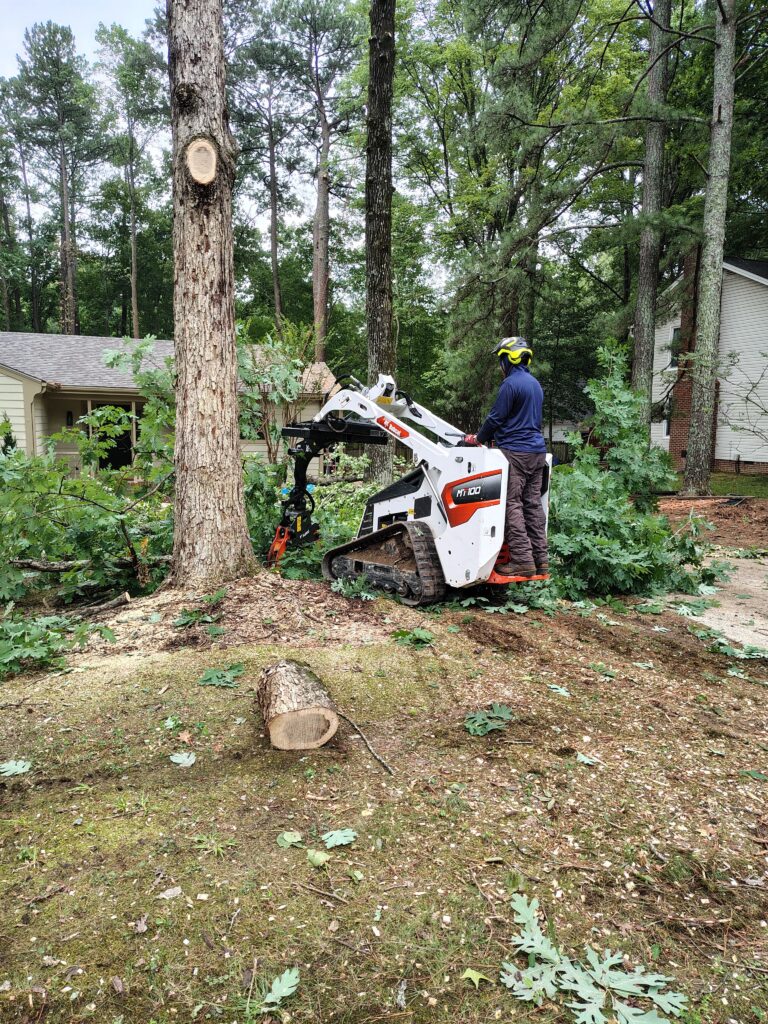
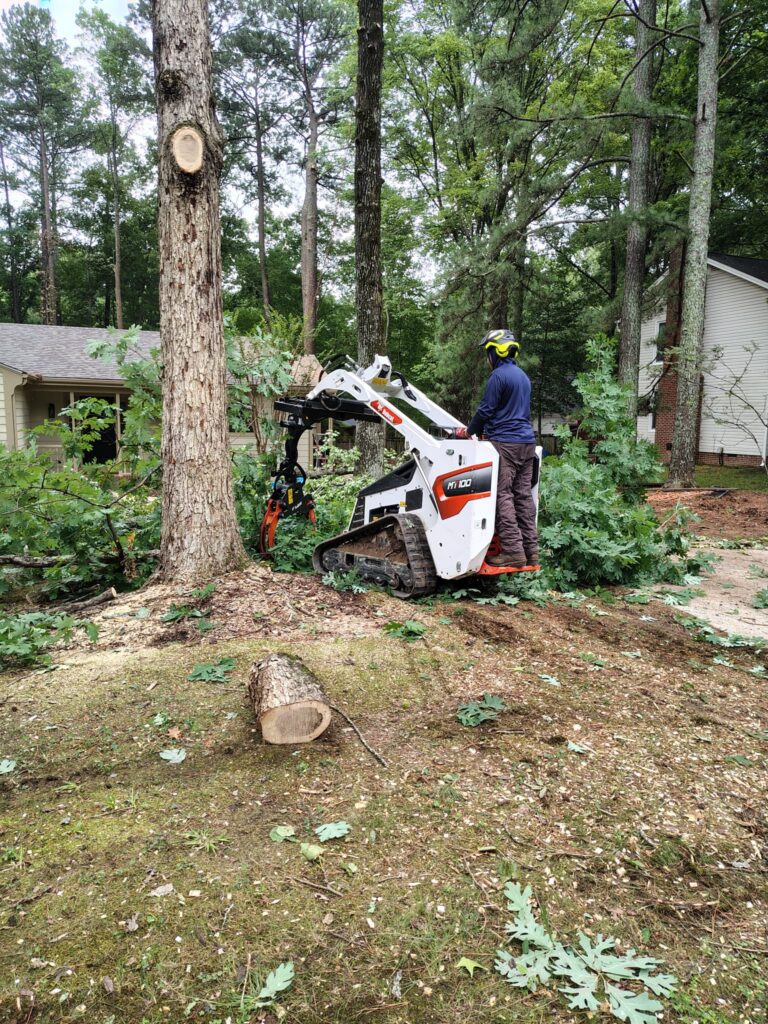
Every job ends with the branches chipped, the beds raked and the driveway blown clean, so the after picture includes the yard as well as the tree. We leave your property looking better than it was when we arrived.
Tree Pruning Before and After FAQs for Raleigh Homeowners
What Should A Tree Look Like After Pruning?
After proper pruning, a tree should look lighter, more open and healthier, but still keep its natural shape. Dead wood should be gone, crossing branches removed and the canopy even. You should not see flat-topped limbs, stubs or long bare branches with leaves only at the tips.
When Is The Best Time To Trim Oak Trees In Raleigh?
The best time to trim oak trees in Raleigh is the dormant season, from late fall through winter, when the leaves are down and fresh cuts attract fewer insects. Arborists in North Carolina typically avoid pruning oaks from mid-April through August. Dead or hazardous oak limbs can be removed at any time of year.
How Much Of A Tree Can You Prune At Once?
As a general rule, no more than about 25 percent of a tree’s living crown should be removed in one season, and less on mature or stressed trees. Removing more starves the tree of the leaves it needs to make food.
What Is The Difference Between Crown Thinning And Crown Reduction?
Crown thinning removes selected branches throughout the canopy to let light and air through, without changing the tree’s size. Crown reduction makes the tree smaller by shortening limbs back to healthy side branches. Both keep the tree’s natural shape when done correctly.
How Long Does It Take A Tree To Recover After Pruning?
A healthy tree usually puts out new growth within one season after proper pruning, and small cuts begin to seal over within a year or two. Larger cuts take several years to close. Heavy or poor pruning can take much longer to recover from.
Does Pruning Help A Tree Grow?
Proper pruning helps a tree grow stronger and healthier by removing dead and competing branches, so the tree puts its energy into well-placed limbs. It does not make a tree grow faster overall, and over pruning slows growth by removing leaves.
How Often Should Oak Trees Be Trimmed?
Mature oak trees usually need trimming every three to five years to remove dead wood and keep limbs clear of the house. Young oaks benefit from light structural pruning every two to three years.
How Much Does Tree Pruning Cost In Raleigh?
Tree pruning in Raleigh is priced per job after a free on-site visit, because the cost depends on the size and species of the tree, how much pruning it needs and how easy it is to reach. You get a written price before any work starts, and cleanup is always included.
I am Steve, and I own Ashland Tree Service. I have spent more than 30 years pruning oaks, maples and pines around Raleigh, and the best part of the job is still the after, when a crowded, risky tree is safe and open again. If you would like to see what proper pruning would do for the trees on your property, call me directly at (984) 328-3971 or book a free estimate. I will walk the trees with you and give you a clear plan and price, and we leave your property looking better than it was when we arrived.