Best Time to Trim Trees in North Carolina at a Glance
The best time to trim most trees in North Carolina is late winter, during the dormant season and before spring growth begins. Maples and other heavy sap bleeders can wait until summer, spring-flowering trees should be pruned right after they bloom, and oaks are best pruned in winter to lower insect and disease risk. Light summer trimming is fine, but heavy cuts in late summer and fall should be avoided. Dead, broken or hazardous limbs are the exception, and they should come down as soon as they are spotted, whatever the season.
Timing is the part of tree care most homeowners get wrong, and it is easy to see why. The urge to trim usually comes in summer, when trees are full, shady and hanging over the roof. Yet for most trees in North Carolina, summer and fall are the least helpful times to make heavy cuts. Trimming at the right time of year means faster healing, fewer pest and disease problems and a stronger tree going into storm season.
Our certified arborists have been trimming trees across Raleigh and the Triangle for more than 30 years. The seasonal guide that follows covers the best time to trim trees in North Carolina by season and by tree type, from oaks and maples to pines, crape myrtles and fruit trees. It also covers the one rule that overrides every calendar: hazardous limbs should never wait.
Best Time to Trim Trees in North Carolina: Late Winter Dormant Pruning
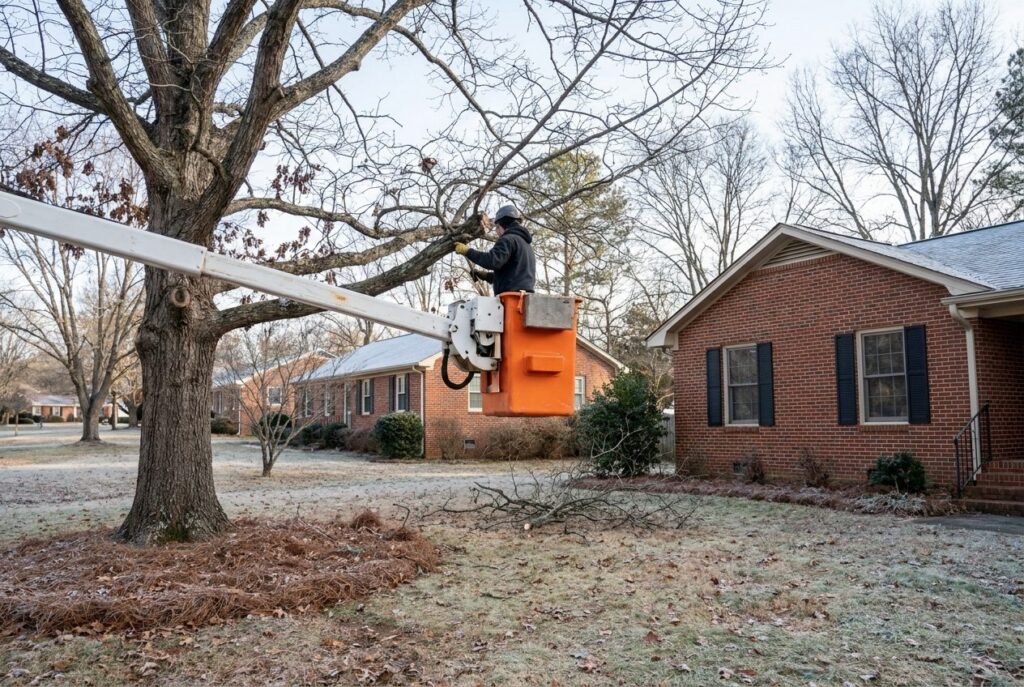
The best time to trim trees in North Carolina is late winter, roughly from January through early March across the Piedmont, while trees are dormant and before the buds break. This is dormant pruning, and arborists favor it for several reasons. With the leaves off, the whole structure of the tree is visible, so the right branches are easy to choose. Most insects and disease organisms are inactive in the cold, and cuts made just before spring growth seal over quickly once the tree wakes up.
Dormant pruning also tends to cost homeowners less. Bare branches are lighter and easier to handle, the ground under the tree is usually firmer and there is no foliage to haul away. NC State Extension recommends late-winter pruning for most shade trees, with a handful of exceptions based on how each tree grows and flowers (NC State Extension). Timing shifts slightly across the state, with dormancy ending a little earlier near the coast and a little later in the mountains.
| Season | Best For | Avoid |
|---|---|---|
| Late winter (January to early March) | Most shade trees, oaks, structural pruning, crape myrtles, fruit trees | Very little, this is the main pruning window |
| Spring (March to May) | Spring-flowering trees right after bloom, removing winter damage | Heavy pruning while leaves are expanding |
| Early summer (June to July) | Maples and birches, light shaping, water sprouts | Heavy cuts during heat and drought |
| Late summer (August to September) | Dead wood and clearance only | Heavy pruning that pushes late growth |
| Fall (October to November) | Dead wood and hazard limbs only | Heavy pruning while trees prepare for winter |
| Any season | Dead, broken and hazardous limbs | Waiting on a limb that could fall |
The rest of this seasonal calendar explains the exceptions. For a month-by-month version focused on Raleigh and Wake County, our month-by-month tree trimming guide for Raleigh goes into each month in more detail.
Not Sure When Your Trees Should Be Trimmed?
Our certified arborist will look at each tree with you, tell you the best time to prune it and give you a clear written price. Every estimate is free, and late-winter dates fill quickly in Raleigh.
When to Prune Maple Trees and Other Sap Bleeders
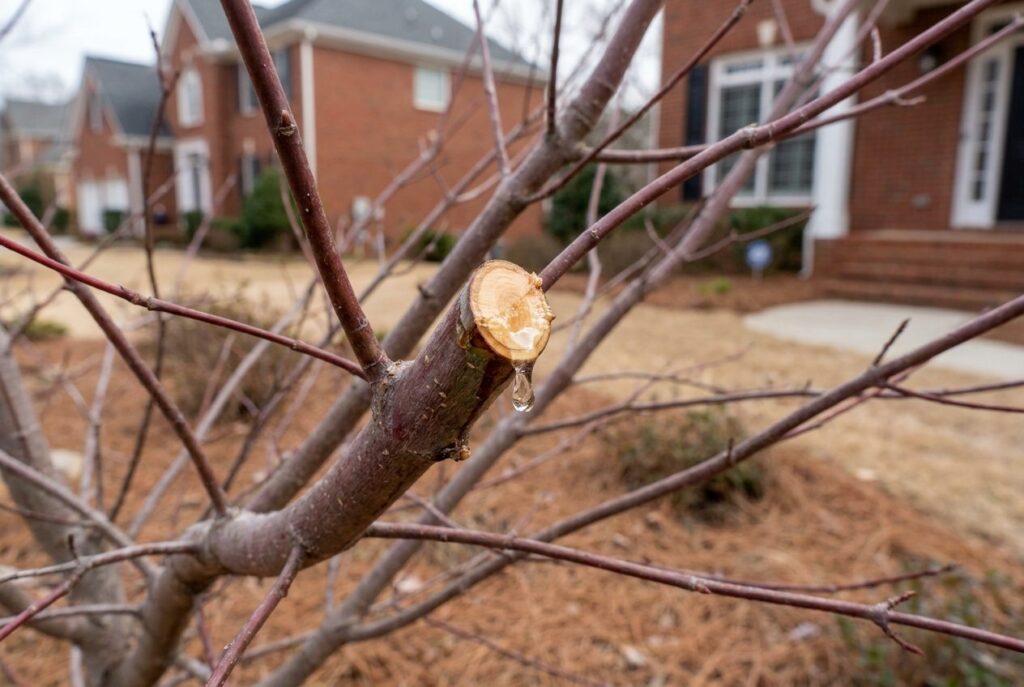
Maples are the best-known exception to the late-winter rule. In late winter and early spring, sap is moving strongly through the wood, so a fresh cut on a red maple, sugar maple or river birch can drip sap for days. The bleeding looks alarming, but it rarely harms a healthy tree. Many arborists still prefer to prune these species in early summer, once the leaves are fully out and sap pressure has dropped.
The best time to trim maple trees in North Carolina is therefore either deep in the dormant season, accepting some bleeding, or in early to mid summer for lighter work. Red maples are among the most common yard trees in Raleigh, and they grow fast enough to need regular clearance from roofs and gutters. Our tree pruning service plans maple work around this timing so the tree stays healthy and the yard stays clean.
Trees That Bleed Sap When Pruned in Late Winter
- Red maple and sugar maple
- River birch and other birches
- Flowering dogwood
- Elm
- Walnut
- Yellowwood
Bleeding sap does not mean the tree is being harmed, and it does not need to be sealed or painted. If the sight of it bothers you, schedule these trees for early summer instead.
Spring Tree Trimming: Flowering Trees and Fresh Growth
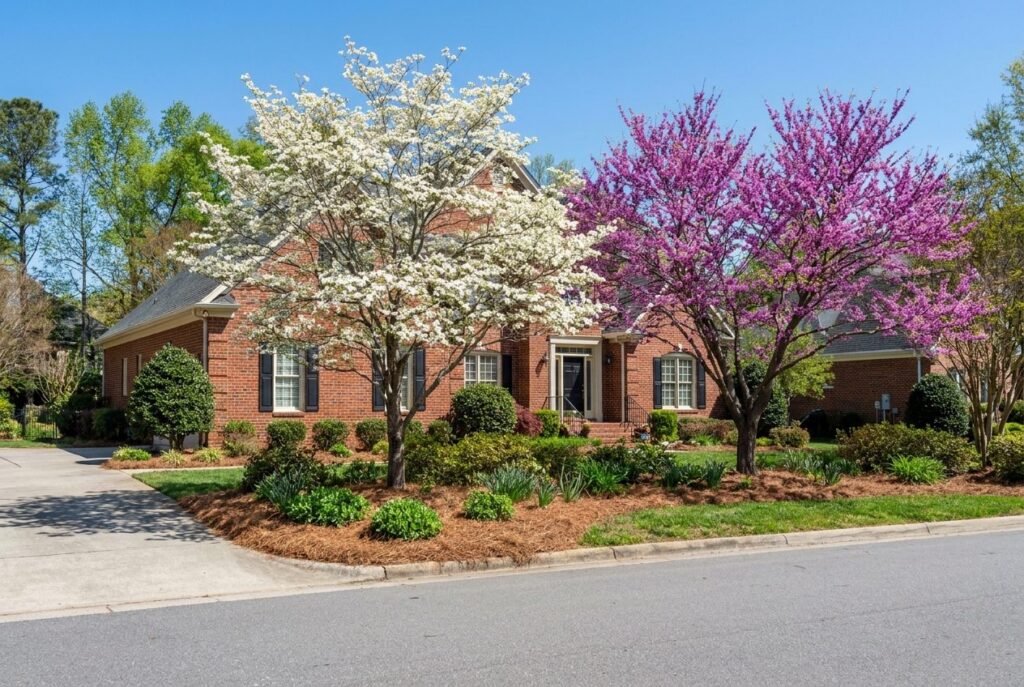
Spring is a poor time for heavy pruning on most trees, because they are spending their stored energy pushing out new leaves and shoots. Cutting during that flush removes growth the tree has just paid for and can leave it short of reserves. Light work is fine, and spring is a good time to remove branches killed over the winter, since dead wood is easy to spot once the rest of the tree has leafed out.
Spring-flowering trees are the main exception. Dogwoods, redbuds, cherries, magnolias and other trees that bloom in spring set their flower buds the summer before. Pruning them in winter removes that year’s flowers, so they are best pruned right after they finish blooming. The same rule applies to many flowering shrubs, which our shrub and hedge trimming service times around their bloom.
Best Time to Prune Flowering Trees in North Carolina
- Dogwood: right after flowering in spring
- Redbud: right after flowering in spring
- Flowering cherry: right after flowering, on dry days
- Saucer magnolia: right after flowering
- Crape myrtle: late winter, because it flowers on new wood
- Summer-flowering trees: late winter, before new growth
Can You Trim Trees in Summer in North Carolina?
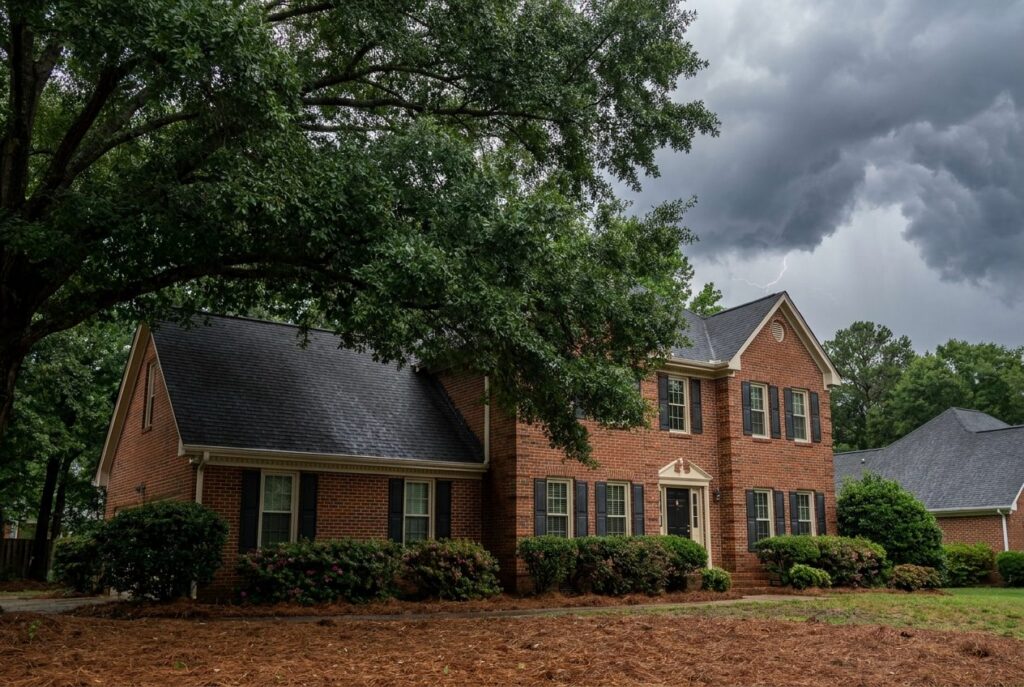
Yes, you can trim trees in summer, as long as the work is light and well planned. Summer is a good time for clearance trimming over roofs and driveways, removing water sprouts, thinning dense crowns before storm season and taking out dead wood, which stands out clearly against green leaves. It is also the preferred season for maples and birches. What summer is not good for is heavy pruning that removes a large share of a tree’s leaves during heat and drought.
Trimming trees in summer has one more advantage in North Carolina. Thunderstorms and the tail ends of tropical storms arrive from late spring through fall, and a tree with dead limbs or an overly dense crown is more likely to drop branches on the house. A light thinning and deadwooding visit in early summer reduces that risk before hurricane season peaks. Avoid trimming in the middle of a long dry spell, and water stressed trees deeply afterward.
Good Summer Tree Trimming Jobs
- Removing dead and broken branches
- Clearing limbs off roofs, gutters and siding
- Raising low limbs over driveways and walkways
- Light thinning before storm season
- Removing water sprouts and suckers
- Pruning maples and birches with less sap bleeding
Pruning Trees in Fall: When Not to Trim Trees
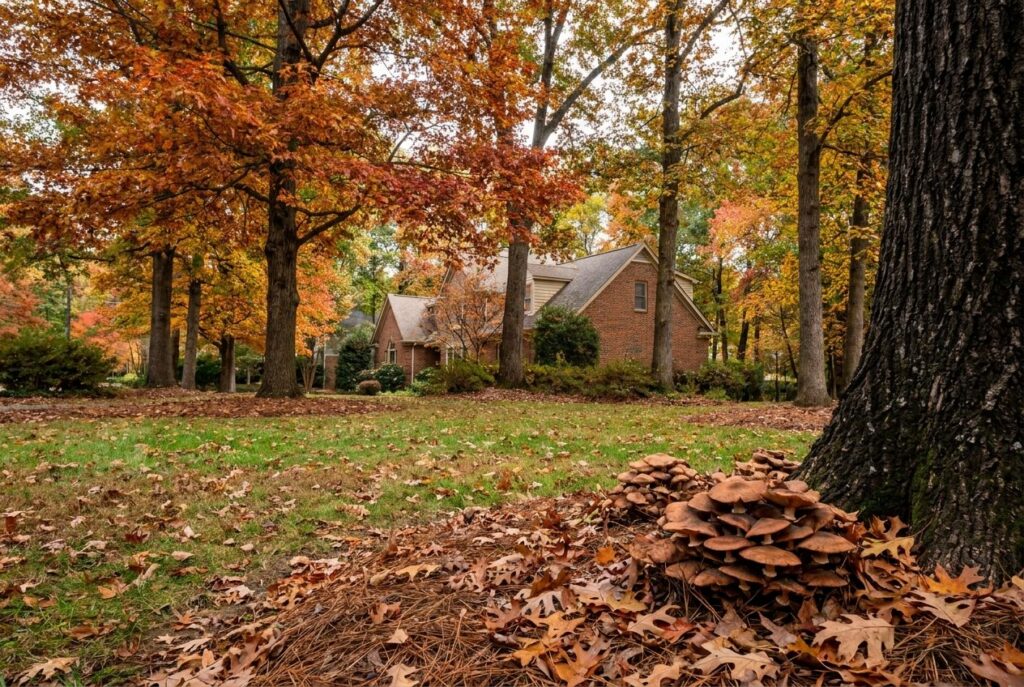
Fall is the season when trees are least suited to heavy pruning. As days shorten, trees are moving energy down into their roots for winter, and NC State Extension notes that late-summer pruning can delay dormancy (NC State Extension). Cuts made now can trigger a flush of tender new growth that the first freeze kills. Many decay fungi also release spores in cool, wet autumn weather, and fresh wounds give them an easy way in. For most trees, the best answer to “can you trim trees in the fall” is to limit fall work to dead wood and hazards.
There are a few other times when you should not trim trees. Avoid heavy pruning while leaves are first expanding in spring, during long summer droughts and right after a tree has been stressed by construction or root damage. Never remove more than about a quarter of a tree’s living crown in one season, whatever the time of year. Late fall and early winter are fine for planning, though, and booking now secures a late-winter slot.
When Should You Not Trim Trees?
- While new leaves are expanding in spring
- During long summer heat and drought
- In fall, when cuts can push tender late growth
- On oaks during the warm months when insects are active
- On spring-flowering trees before they bloom
- Immediately after a tree has been damaged or stressed
When to Trim Oak Trees and Pine Trees in NC
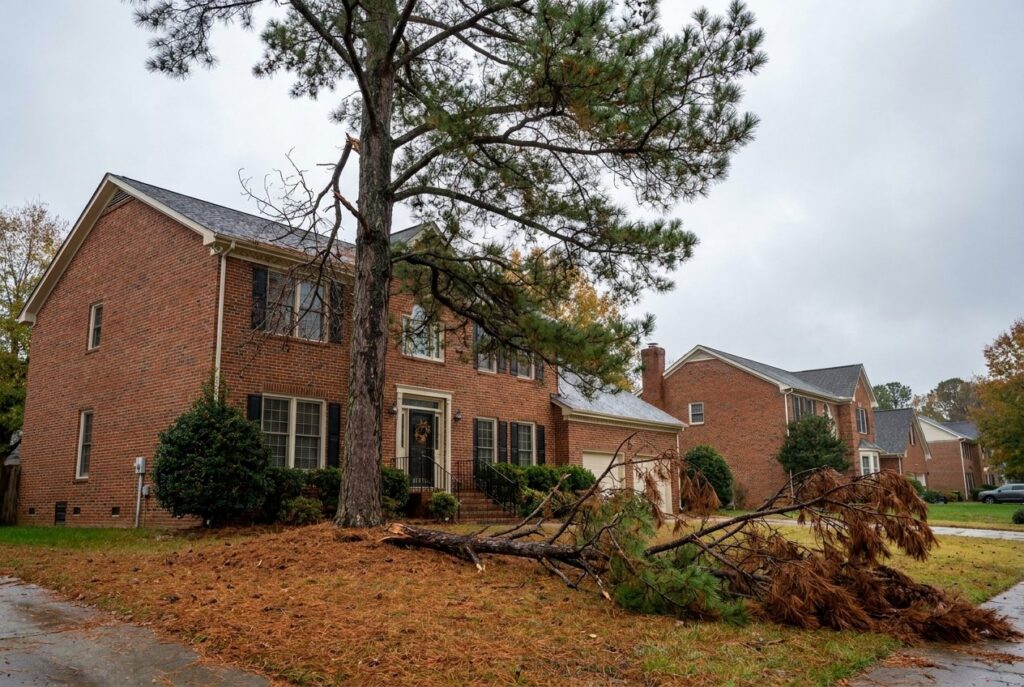
Oaks are the signature trees of Raleigh, and they are best pruned in the dormant season, from late fall through winter. The NC Urban Forest Council notes that arborists typically avoid pruning oaks from mid-April through August, when fresh wounds draw insects (NC Urban Forest Council). Oak wilt, the disease that drives strict oak pruning rules in other states, has so far been confirmed only in several western NC counties, but winter pruning is still the safest choice for Raleigh oaks. It also gives the crew a clear view of the heavy limbs over your roof. Dead or hazardous oak limbs are the exception and can come down at any time.
Pines are more forgiving about timing, because they do not bleed sap the way maples do and they keep their needles all year. The best time to trim pine trees in North Carolina is late winter or early spring, before the new candles of growth extend, with dead lower limbs removed whenever they appear. Loblolly pines naturally shed their lower branches and drop limbs in high wind, so regular deadwooding matters more than shaping. Our tree trimming service handles oak and pine clearance across Raleigh.
| Tree Type | Best Time to Trim in North Carolina | Notes |
|---|---|---|
| Oaks | Late fall through winter | Avoid warm-season cuts when insects are active |
| Maples and birches | Mid winter or early summer | Bleed sap in late winter, harmless but messy |
| Pines | Late winter or early spring | Remove dead lower limbs any time |
| Crape myrtles | Late February to early March | Never top them |
| Fruit trees | Late January to early March | Apples first, peaches last |
| Dogwoods and redbuds | Right after flowering | Winter pruning removes flowers |
Some of these trees have their own detailed guides. Our article on when to prune crepe myrtles in NC covers crape myrtle timing and repair, and our guide to when to prune fruit trees in NC covers apples, pears, peaches and figs.
★★★★★
“Steven Beard with Ashland Tree Service answered my call promptly, came out and gave me an estimate. Best part, he was able to come out that same day to trim my 4 trees. Done professionally and to my satisfaction and would highly recommend him.”
Jerome K. · Verified Google Review
Dead and Storm-Damaged Limbs: Trim Any Time of Year
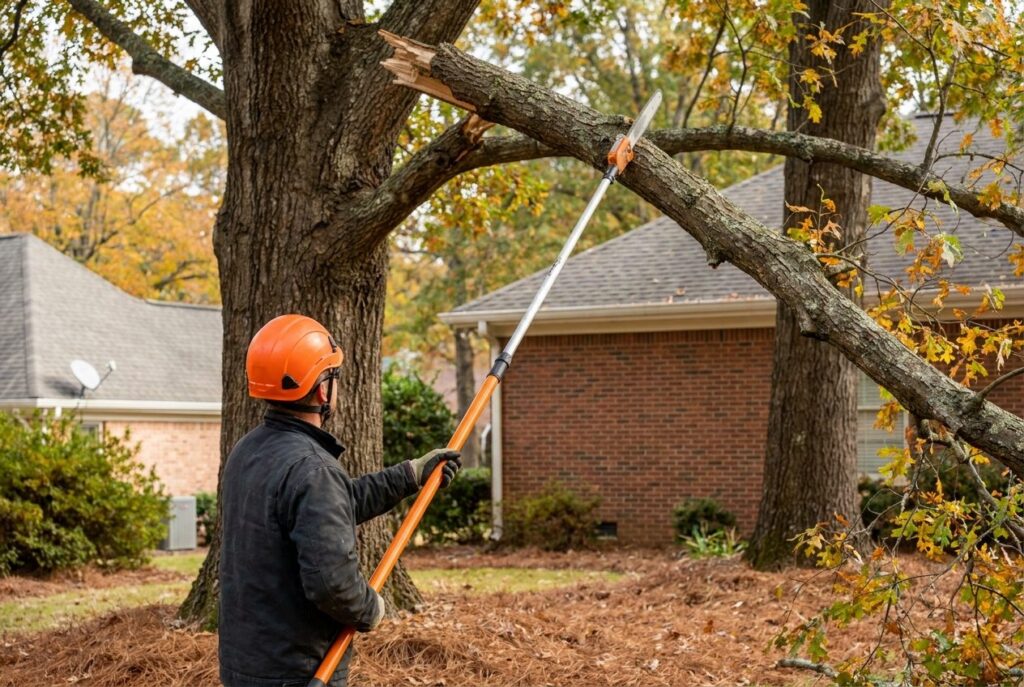
Every timing rule has one exception: hazardous limbs should never wait for the right season. Dead branches, cracked limbs and branches left hanging after a storm can fall without warning, and they do not get safer with time. Removing a dead branch carries no risk to the tree, because there is no living tissue to wound. Broken limbs should be cut back to sound wood or to the branch collar as soon as it is safe to do so.
After a storm, never stand under a hanging limb or try to pull one down, and stay well away from anything touching a power line. Our crew can remove hazardous limbs quickly, lowering them on ropes or from a bucket truck so nothing lands on your home. If a storm has already brought trees or large limbs down, our storm cleanup and emergency team can handle it day or night.
Signs a Limb Should Come Down Now
- A branch hanging or caught in the canopy after a storm
- Cracks where a limb joins the trunk
- Dead, leafless branches over the roof, driveway or play area
- Fungus or soft, crumbling wood on a limb
- A limb resting on or near a power line
- Sudden sagging or a new lean in a large branch
Best Time to Cut Down Trees in North Carolina
The best time to cut down a tree in North Carolina is usually late fall through winter. With the leaves off, the tree is lighter and easier to take down in sections, the ground is often firmer for equipment and there is less damage to lawns and garden beds. Winter is also a quieter season for tree crews, so scheduling is easier. Removing a tree before spring also clears the space for planting.
That said, a tree that is dead, leaning or cracked should be removed as soon as possible, not held for winter. A dead tree becomes more brittle and dangerous to climb with every season. If you are unsure whether a tree should be trimmed or removed, our arborist will give you an honest assessment, and trimming is always our first choice when it can make a tree safe.
Our Crew at Work Around Raleigh
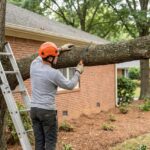
Whatever the season, our crew brings the same care and cleanup to every job. These are recent jobs from around Raleigh and Wake County.
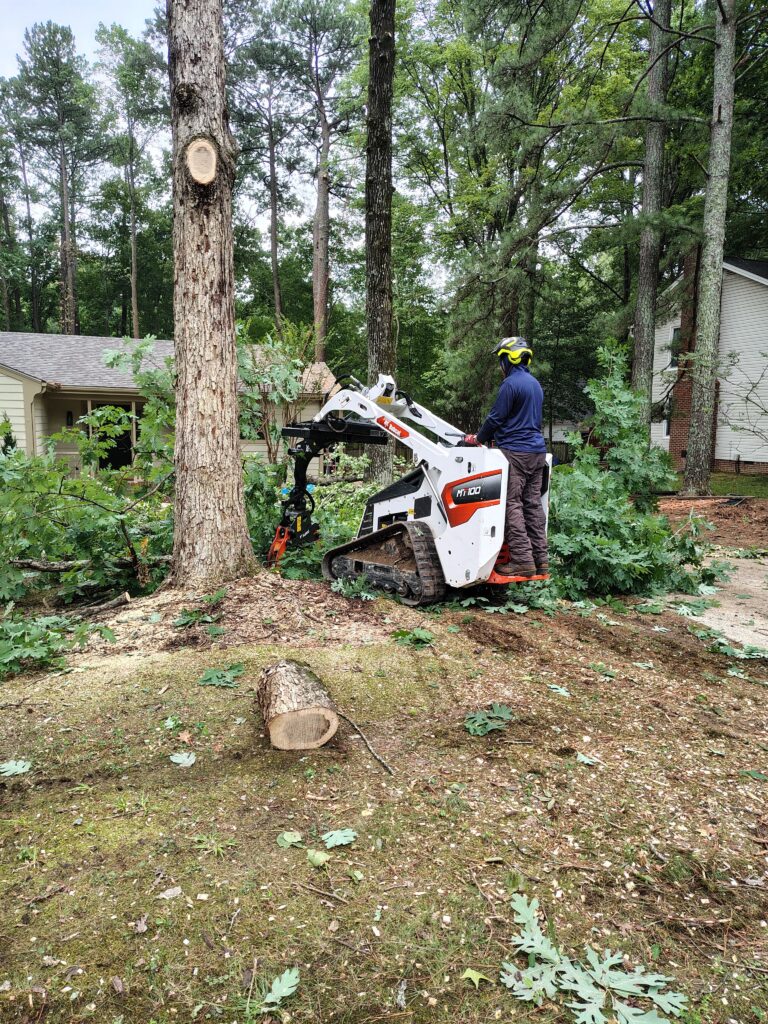
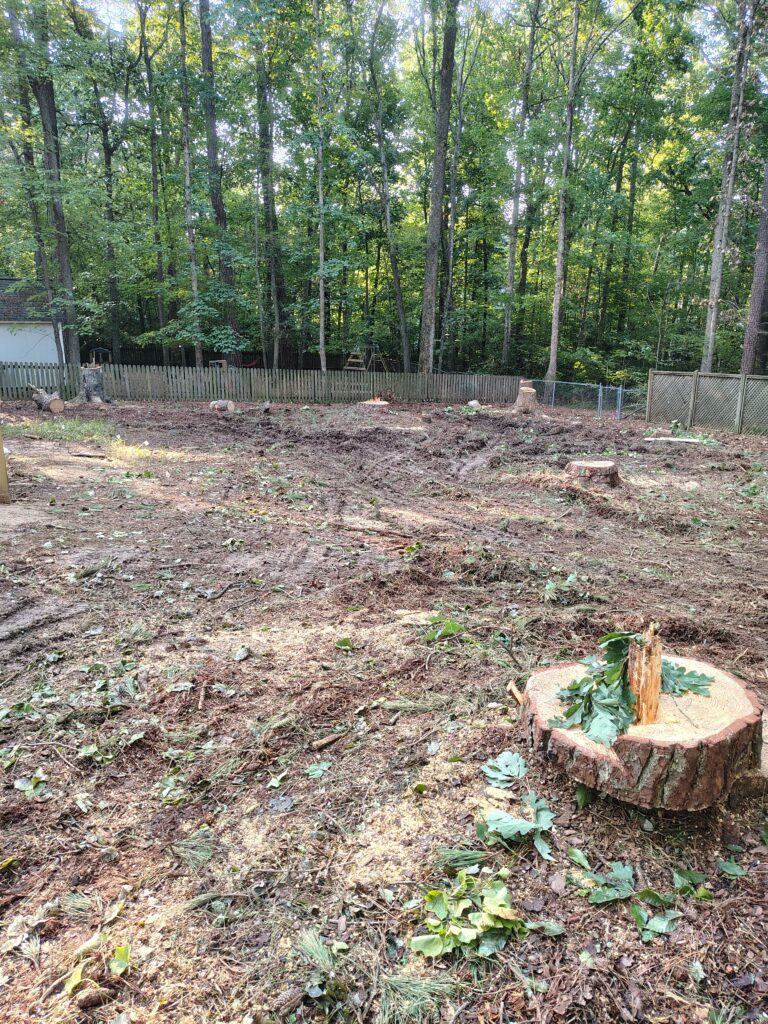
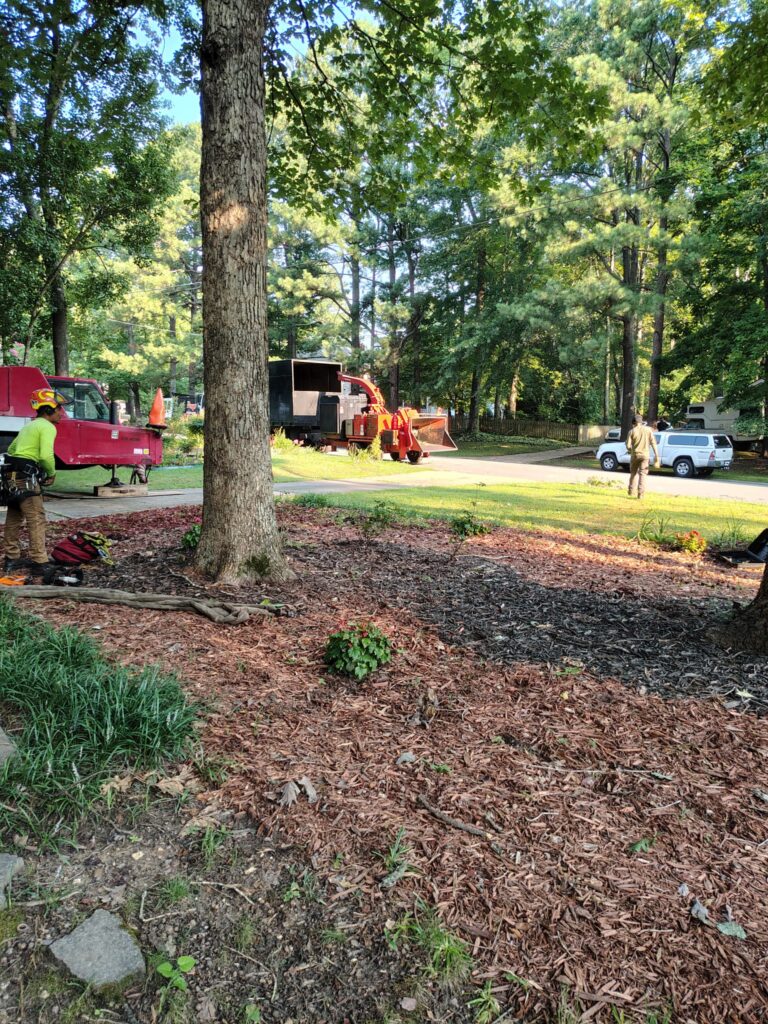
Every visit ends with the branches chipped or hauled away, the beds raked and the driveway blown clean. We leave your property looking better than it was when we arrived.
Best Time to Trim Trees FAQs for North Carolina Homeowners
What Is The Best Time To Trim Trees In North Carolina?
The best time to trim most trees in North Carolina is late winter, from about January through early March, while trees are dormant and before the buds break. Maples can also be trimmed in early summer, and spring-flowering trees should be pruned right after they bloom.
What Is The Best Month To Trim Trees?
For most trees in the Piedmont, February is the single best month to trim, because trees are fully dormant and spring growth is only weeks away. January and early March are also good. Dead or hazardous limbs can be removed in any month.
Can You Trim Trees In The Summer?
Yes, light trimming in summer is fine. It is a good time for clearance, dead wood removal, water sprouts and pruning maples. Avoid heavy pruning during heat and drought, and never remove more than about a quarter of the leafy crown.
Can You Trim Trees In The Fall?
Heavy pruning in fall is best avoided, because it can push tender growth that freezes and gives decay fungi an easy way in during cool, wet weather. Removing dead or hazardous limbs in fall is fine.
When Should You Not Trim Trees?
Avoid heavy trimming while new leaves are expanding in spring, during long summer droughts, in fall and on oaks during the warm months. Spring-flowering trees should not be pruned before they bloom.
When Is The Best Time To Trim Oak Trees?
The best time to trim oak trees in North Carolina is the dormant season, from late fall through winter. Arborists typically avoid pruning oaks from mid-April through August, when insects are drawn to fresh wounds. Dead or hazardous oak limbs can be removed at any time.
When Should You Prune Maple Trees?
Maple trees can be pruned in mid winter, accepting some harmless sap bleeding, or in early to mid summer once the leaves are fully out. Many arborists prefer early summer for maples to avoid heavy bleeding.
What Is Dormant Pruning?
Dormant pruning is pruning done in late winter, while a tree is not actively growing and has no leaves. It makes the branch structure easy to see, lowers the risk of insect and disease problems and lets cuts seal quickly once spring growth starts.
I am Steve, and I own Ashland Tree Service. I have spent more than 30 years trimming trees around Raleigh, and getting the timing right is one of the simplest ways to keep a tree healthy for decades. If you are not sure when the trees on your property should be trimmed, call me directly at (984) 328-3971 or book a free estimate. I will walk the trees with you, tell you the right season for each one and give you a clear price, and we leave your property looking better than it was when we arrived.