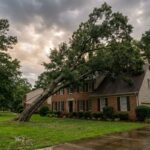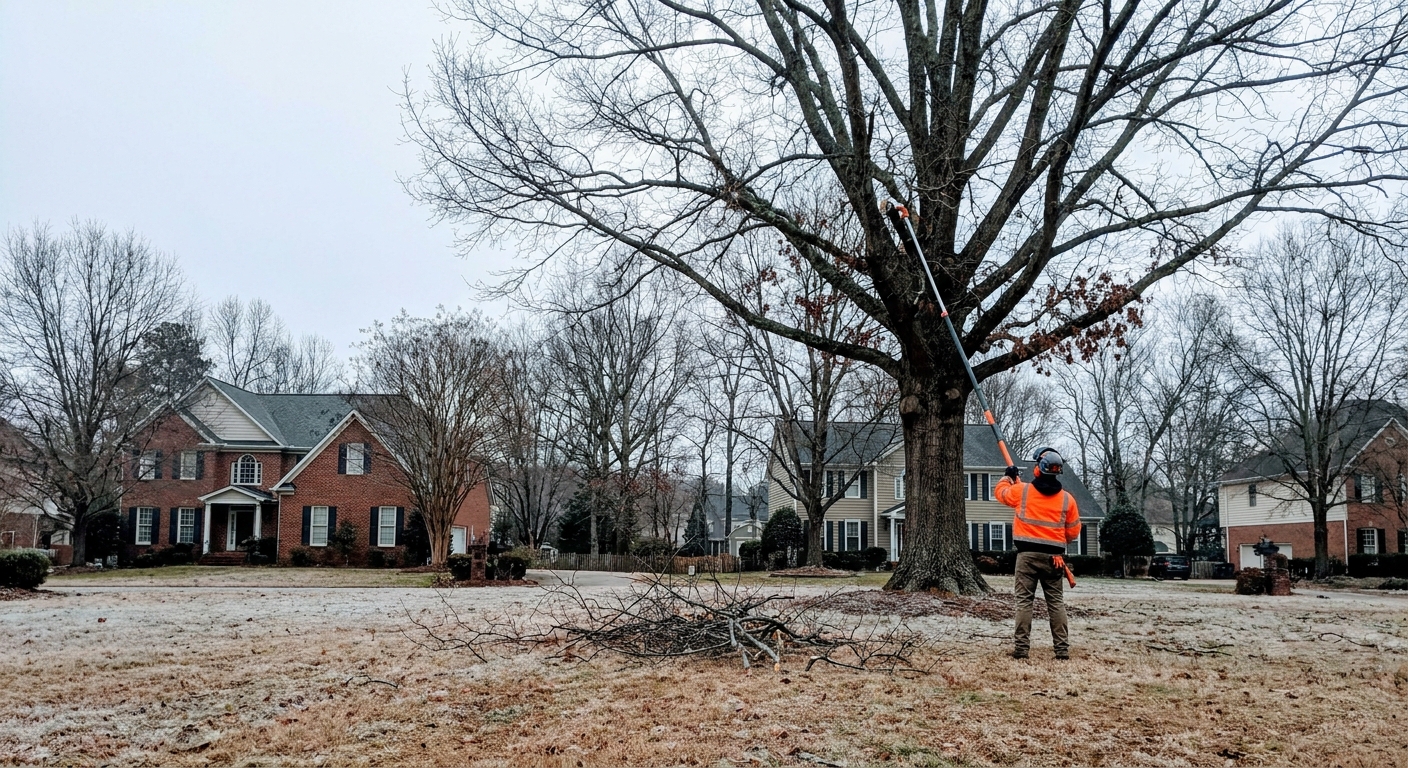
Short version
For most trees in Raleigh, late winter is the best time to trim, roughly late January through early March while the tree is dormant and just before growth begins. Autumn is the worst time for significant pruning, because wounds seal slowly and decay fungi are actively releasing spores. Dead, broken, or hazardous wood is the exception to every rule on this page and comes off whenever you find it.
Timing matters more than most homeowners expect. The same cut that a tree seals over in six weeks in February can sit open for most of a year if it is made in October, and an open wound is an invitation to the decay and insects that eventually make a tree dangerous.
Raleigh sits in USDA zone 7b to 8a, which gives us a long growing season, mild winters, and a hurricane season that runs from June into November. All three shift the calendar away from the generic advice you will find on national sites, so this guide is built for Wake County specifically. Our certified arborists in Raleigh work to this calendar year round.
The Best Time to Trim Trees in Raleigh, and Why It Is Not Summer
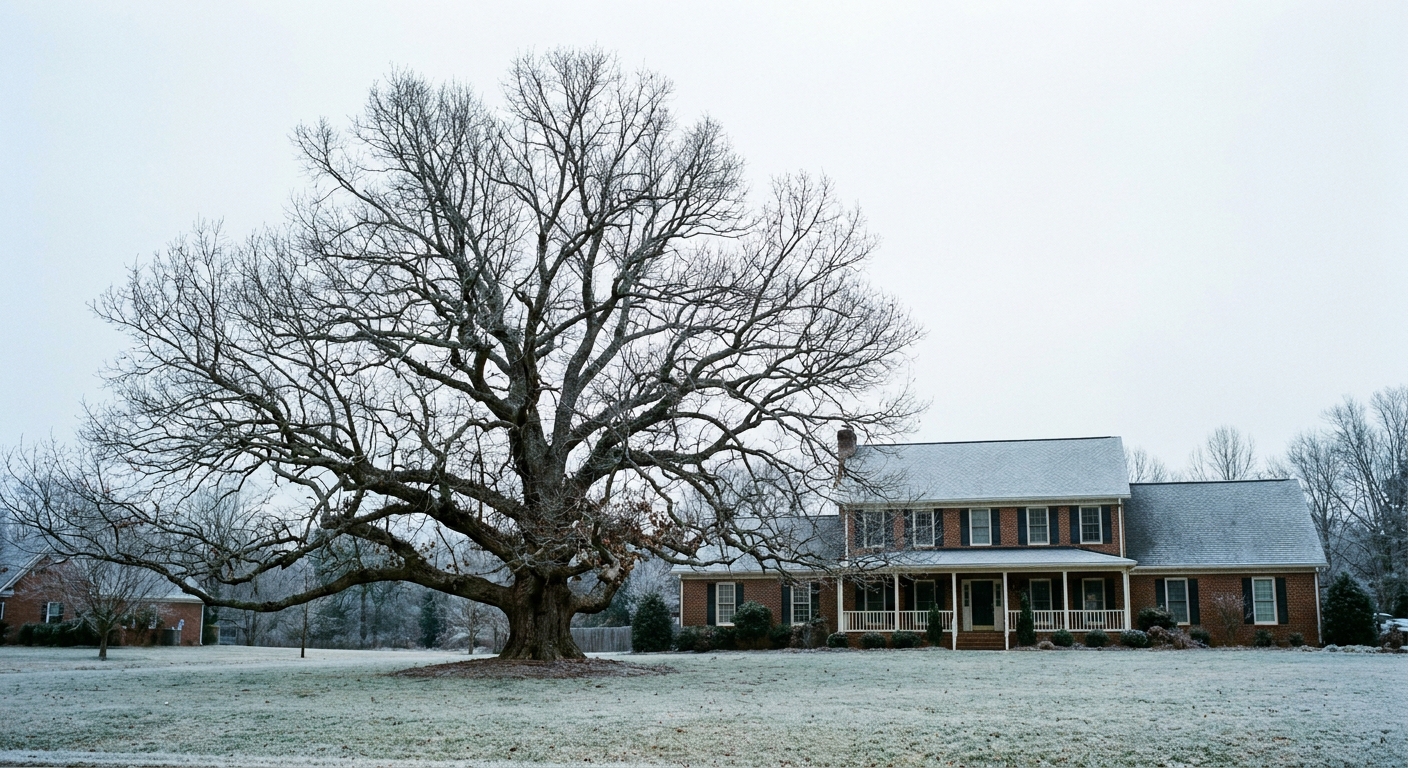
Late winter wins for four reasons that all stack in the same direction. The tree is dormant, so removing wood costs it very little stored energy, and the cuts you make sit open for only a few weeks before spring growth begins closing them.
You can also see what you are doing. A bare canopy shows crossing limbs, weak forks, and deadwood that are completely hidden once the tree leafs out, which means better decisions and fewer unnecessary cuts. Insects and decay fungi are least active in the cold, so the window between making a wound and the tree sealing it is at its safest.
Summer is not forbidden, it is simply second best. Light work is fine once the spring flush has hardened off, and there are good reasons to do it then, particularly clearance trimming where you need to see how far branches actually reach when loaded with leaves. What summer does not suit is heavy reduction, because the tree is running hot and a large canopy loss in July is a genuine stress event.
Month-by-Month Tree Trimming Calendar for Wake County
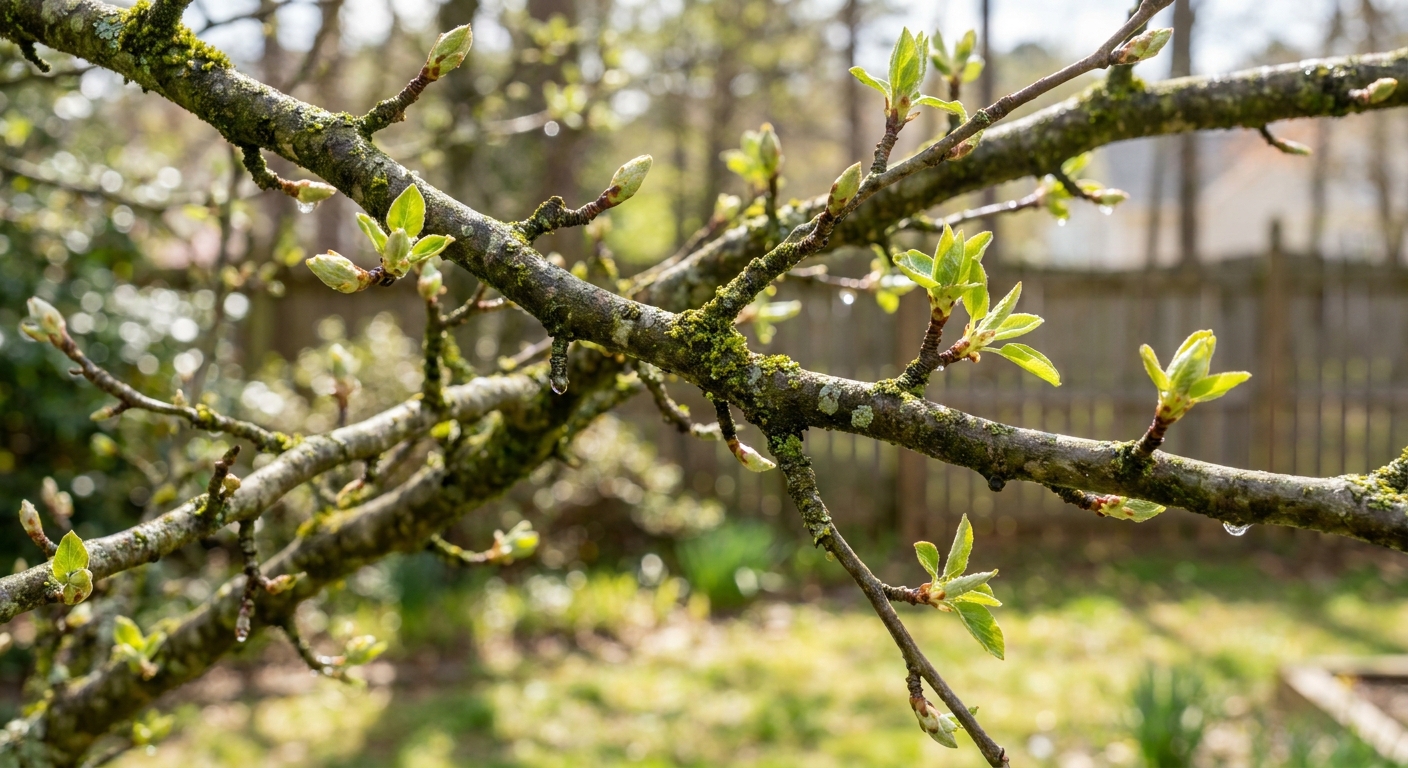
Here is the working calendar we use across Raleigh, Cary, Apex, and the rest of the Triangle.
| Month | Rating | What to do |
|---|---|---|
| January | Very good | Full dormant pruning on most shade trees. Structure is visible and the tree is asleep. |
| February | Best | The ideal window. Major pruning, crown thinning, and crape myrtles all happen now. |
| March | Good early, then stop | Finish major work before buds break. Stop pruning oaks once the weather warms. |
| April | Poor | Leaf-out. The tree is spending reserves. Deadwood and hazards only. No oaks. |
| May | Poor to fair | Prune spring bloomers such as dogwood and redbud now, right after flowering. |
| June | Fair | Hurricane season opens. Pre-storm safety work: deadwood, hangers, roof clearance. |
| July | Fair | Light clearance only. Avoid heavy reduction in the heat. |
| August | Fair | Same as July. Peak storm risk approaching, so prioritise anything over the house. |
| September | Worst | Decay fungi are releasing spores and wounds seal slowly. Emergency work only. |
| October | Worst | Still poor for the same reason. The tree is shutting down, not healing. |
| November | Improving | Once leaves have dropped and the tree is dormant, the window reopens. |
| December | Very good | Full dormant pruning. Often the quietest time to get scheduled. |
If you take one thing from that table, make it the September and October rows. Autumn feels like tidy-up season and it is the single worst time to open a large wound on a tree in this climate.
Want Your Trees Trimmed at the Right Time?
Book a free, no-obligation site visit. We will tell you what each tree needs and which month it should actually be done in, then schedule it for that window.
When You Should Not Trim Trees in North Carolina
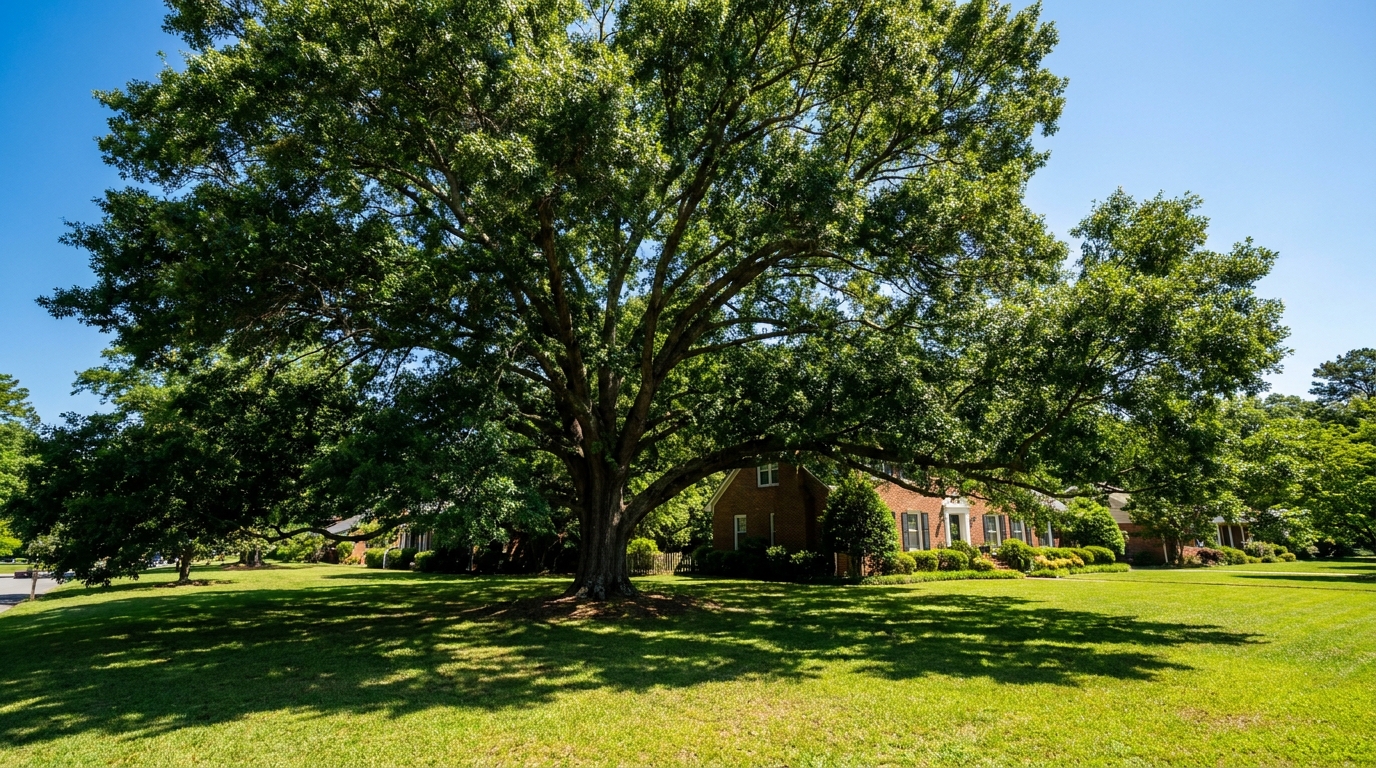
There are four windows where cutting does real harm, and knowing them is worth more than knowing the good months.
- Autumn, September and October. Decay fungi are fruiting and spreading spores, and the tree is winding down rather than healing. Wounds made now stay open through winter.
- During spring leaf-out, roughly April. The tree is spending stored energy to build a new canopy. Taking that canopy off mid-build is the most expensive time to do it.
- Oaks between April and October. Fresh cuts on oaks in warm weather attract sap-feeding beetles that can carry disease between trees. Keep oak work to the dormant season.
- Heavy reduction in high summer heat. Removing a lot of canopy in July or August exposes bark that has never seen direct sun and leaves the tree short of the leaf area it needs.
None of that applies to genuinely dangerous wood. A hanging limb, a split branch, or a broken top gets dealt with the day you find it, whatever the calendar says, and that is what our 24/7 emergency tree service in Raleigh exists for.
★★★★★
“Ashland Tree Service recently took down three trees and trimmed a few others on our property. They showed up on time, worked safely and quickly, and cleaned up well. The price was very reasonable. I will hire them again for future tree trimming needs.”
Blake K., Raleigh, NC · Verified Google Review
When to Trim Oaks, Maples and Crape Myrtles in Raleigh
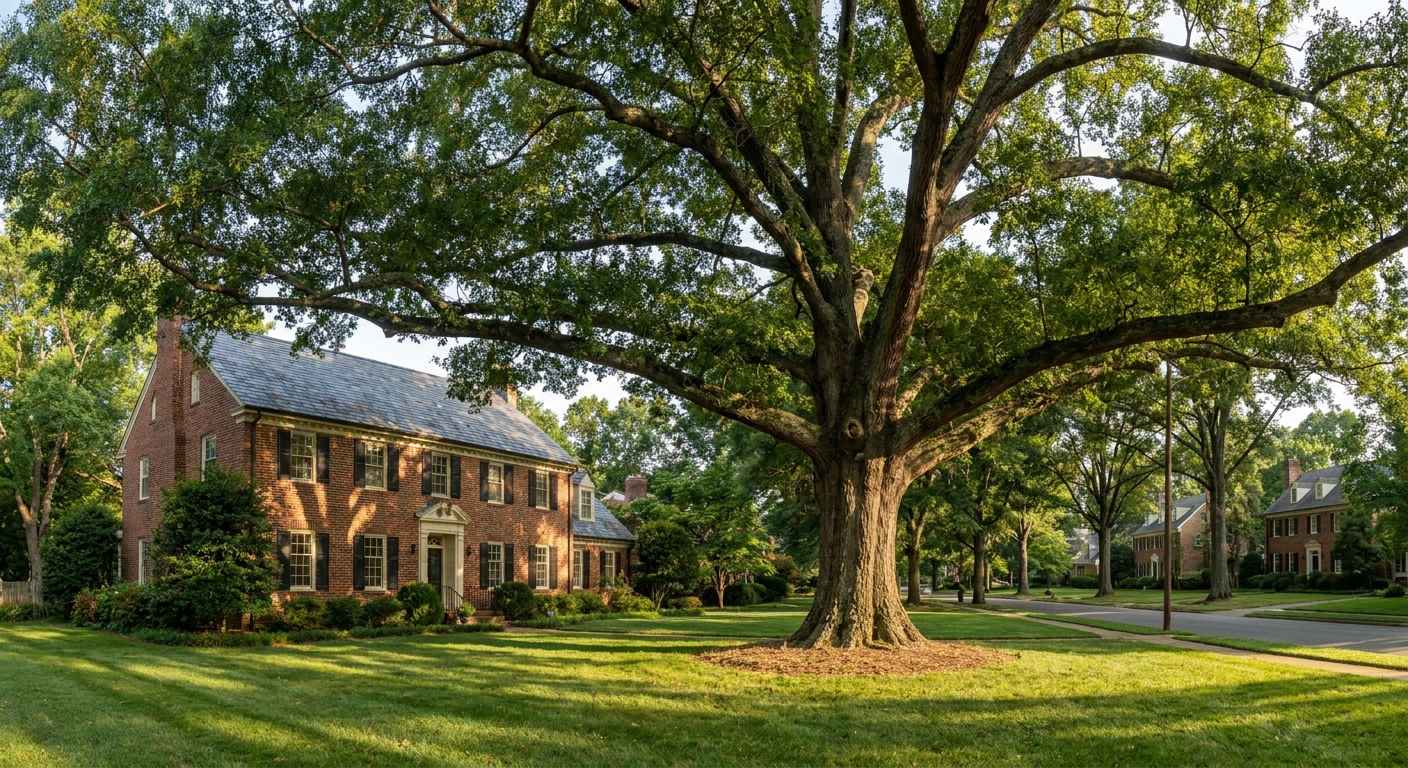
The general calendar covers most trees, but several common Raleigh species have their own rules, and getting these wrong causes more problems than getting the month slightly off.
| Tree | When to trim | Why |
|---|---|---|
| Willow oak and water oak | November to March only | Warm-weather cuts attract beetles that move disease between oaks. |
| Red and silver maple | Late winter, or midsummer | Maples bleed sap heavily in early spring. It looks alarming but rarely harms the tree. |
| Crape myrtle | February to early March | Blooms on new wood, so dormant pruning costs nothing in flowers. |
| Dogwood and redbud | Right after they finish flowering | They set next year’s buds early, so winter pruning removes the coming display. |
| Loblolly pine | Late winter preferred | Cutting pines in warm weather can draw bark beetles to the fresh resin. |
| Southern magnolia | After flowering, early summer | Slow to seal wounds, so keep cuts small and infrequent. |
Crape myrtles deserve one extra warning. February is the right month to prune one, and it is also the month most of them get destroyed by hard topping, which we cover in our guide to proper structural pruning. The correct February job is light, not a reduction to knuckles.
How Storm Season Changes the Raleigh Trimming Calendar
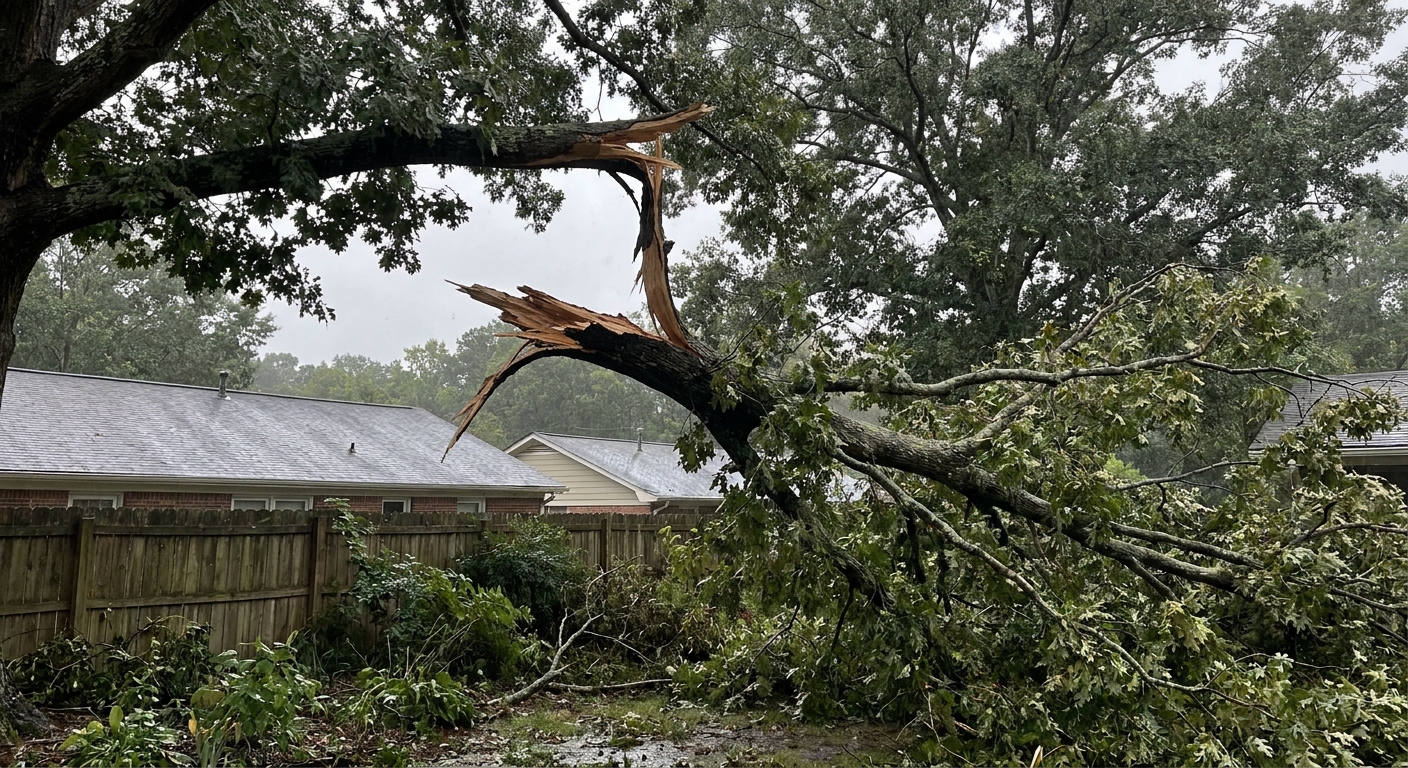
Hurricane season runs June through November here, and it overlaps almost exactly with the months that are worst for pruning. That tension is real, and the way to resolve it is to separate health work from safety work.
Health pruning, meaning thinning, shaping, and reduction, belongs in the dormant window and should wait. Safety work, meaning deadwood, hanging limbs, split branches, and anything overhanging a roof, is not really pruning at all, it is hazard removal, and delaying it to hit a better month is how limbs end up through windows.
The practical approach for most Raleigh properties is a safety pass in late spring, before the storms arrive, and the real structural work the following February. That way you are not opening large wounds in September, and you are not carrying obvious hazards through hurricane season either. Where a tree turns out to be beyond pruning, planned tree removal in Raleigh in the dormant season beats an emergency call in a storm every time.
Signs Your Raleigh Trees Are Due for Trimming
Knowing the right month only helps if you know whether the tree needs work at all. Most established shade trees here do well on a three to five year cycle, and the tree itself will tell you when it is closer to five than three.
These are the signs worth walking your property to look for, ideally in winter when the structure is visible.
- Branches touching the roof or gutters. Anything resting on shingles wears them, holds moisture against the roof, and gives squirrels a bridge into the loft.
- Deadwood held up in the canopy. Bare grey branches with no bark are already dead and will come down eventually. The only question is whether it happens on your schedule or the weather’s.
- A canopy so dense you cannot see through it. A solid canopy acts as a sail. Thinning lets wind pass through instead of pushing the whole tree.
- Crossing or rubbing limbs. Two branches grinding together wear through the bark and create an entry point for decay.
- Low branches over a drive, path, or play area. Clearance work is the most common trimming job we do and the easiest to keep on top of.
- Weak V-shaped forks with bark trapped inside. Included bark makes a union far weaker than it looks, and these are frequent storm failure points.
- Growth crowding a power service line. Never attempt this yourself. The utility handles the main lines, and we handle everything on your side of the connection.
None of those need doing this week unless something is actually hanging. Note them down, and book the work for the dormant window when it will do the tree the most good. Regular tree trimming in Raleigh on a sensible cycle costs far less over the life of a tree than the occasional crisis, and it is the difference between a canopy that sheds wind and one that catches it.
Frequently Asked Questions About Trimming Trees in Raleigh
What is the best month to trim trees in Raleigh?
February, with January and December close behind. The tree is dormant, the structure is visible with the leaves off, insects and decay fungi are inactive, and any cut you make is only open for a few weeks before spring growth starts closing it. If February does not suit, anywhere in the November to early March window works well.
When should you not trim tree branches?
September and October are the worst months here, because decay fungi are actively spreading spores and the tree is shutting down rather than healing. April is also poor, since the tree is spending stored energy building its new canopy. Oaks should not be cut at all between April and October.
Is autumn a good time to trim trees?
No, and it is the most common timing mistake we see. Autumn feels like the natural tidy-up season, but it is when decay fungi are at their most active and when a tree is least able to seal a wound. A cut made in October can sit open right through winter. Wait until the tree is properly dormant, from November onward.
When should oak trees be trimmed in North Carolina?
Dormant season only, roughly November through March. Fresh cuts on an oak during warm weather attract sap-feeding beetles, and those beetles can carry disease from one oak to another. Given how many willow oaks and water oaks there are in older Raleigh neighbourhoods, this is worth being strict about.
When should I trim a maple, and why does it drip sap?
Late winter or midsummer both work. Maples pruned in late winter or early spring often bleed sap heavily from the cuts, which looks alarming and is essentially harmless to a healthy tree. If the dripping bothers you, wait until the leaves are fully out and prune lightly in summer instead.
When do you cut back crape myrtles in Raleigh?
February into early March, while dormant. Crape myrtles flower on new wood, so pruning then costs you nothing in blooms. The important part is what you do in that window: remove suckers, crossing branches, and interior twiggery, and leave the top alone rather than cutting back to knuckles.
Can I trim trees in summer if I have already missed the window?
Light work, yes. Clearance over a roof or a driveway is perfectly reasonable in summer, and being able to see how far branches reach when loaded with leaves is genuinely useful. What should wait is heavy reduction or thinning, because a big canopy loss in July heat is a real stress event for the tree.
Does the calendar apply to dead or broken branches?
No, and this is the exception to everything above. Deadwood, hanging limbs, split branches, and anything sitting over a roof or a walkway come off whenever you find them, in any month. That is hazard removal rather than pruning, and waiting for a better season is how a hanging limb becomes a claim.
Is the timing the same for shrubs and bushes?
Not always, and the rule that matters is when the plant sets its flower buds. Anything that blooms in spring, such as azaleas, dogwoods, and redbuds, should be pruned right after flowering, because winter pruning cuts off the display you were waiting for. Summer bloomers and plants grown for foliage follow the same dormant-season logic as shade trees.
How often do mature trees need trimming?
Most established shade trees in Raleigh do well on a three to five year cycle, and young trees benefit from lighter structural work more often than that while their shape is still being set. Trees directly over a roof or a driveway usually need looking at more frequently, not because they grow faster, but because the consequences of a failure there are higher.
I am Steve, and I own Ashland Tree Service. The honest version of this whole guide is that February is the month and hazards are the exception, and everything else is detail worth knowing but not worth losing sleep over. Call me directly at (984) 328-3971 or book a free estimate, and I will walk the property with you, tell you which trees need work and which month each one should be done in, and put it in the diary for the right window. And we leave your property looking better than it was when we arrived.