
Crape Myrtle Pruning in Raleigh, NC
Crape myrtles are the signature summer tree of Raleigh, and the way they are pruned decides whether they flower for decades or turn into stubby, weak-limbed eyesores. Ashland Tree Service provides careful crape myrtle pruning that keeps each tree graceful, strong and covered in blooms. Our team removes only what the tree needs to lose, by hand, and leaves your yard clean.

Expert Crepe Myrtle Tree Pruning That Protects the Natural Shape
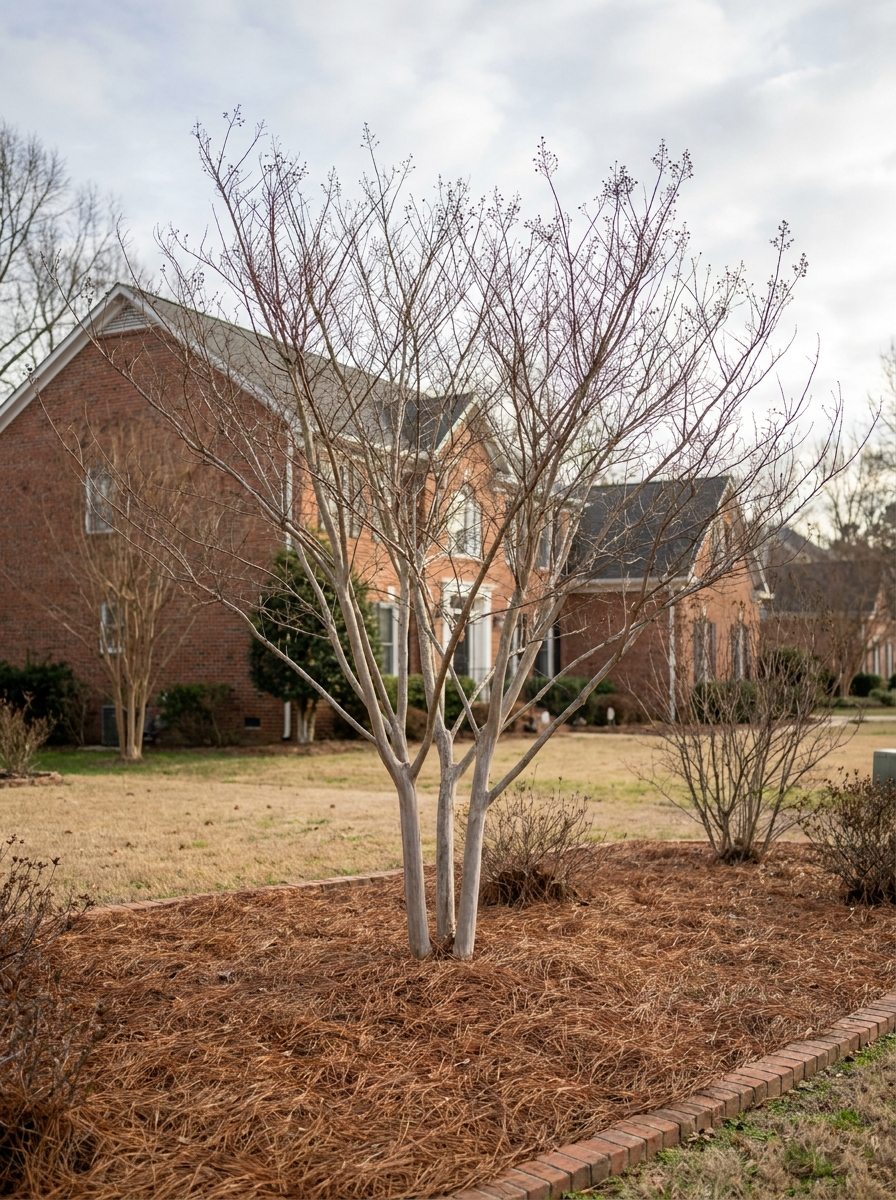
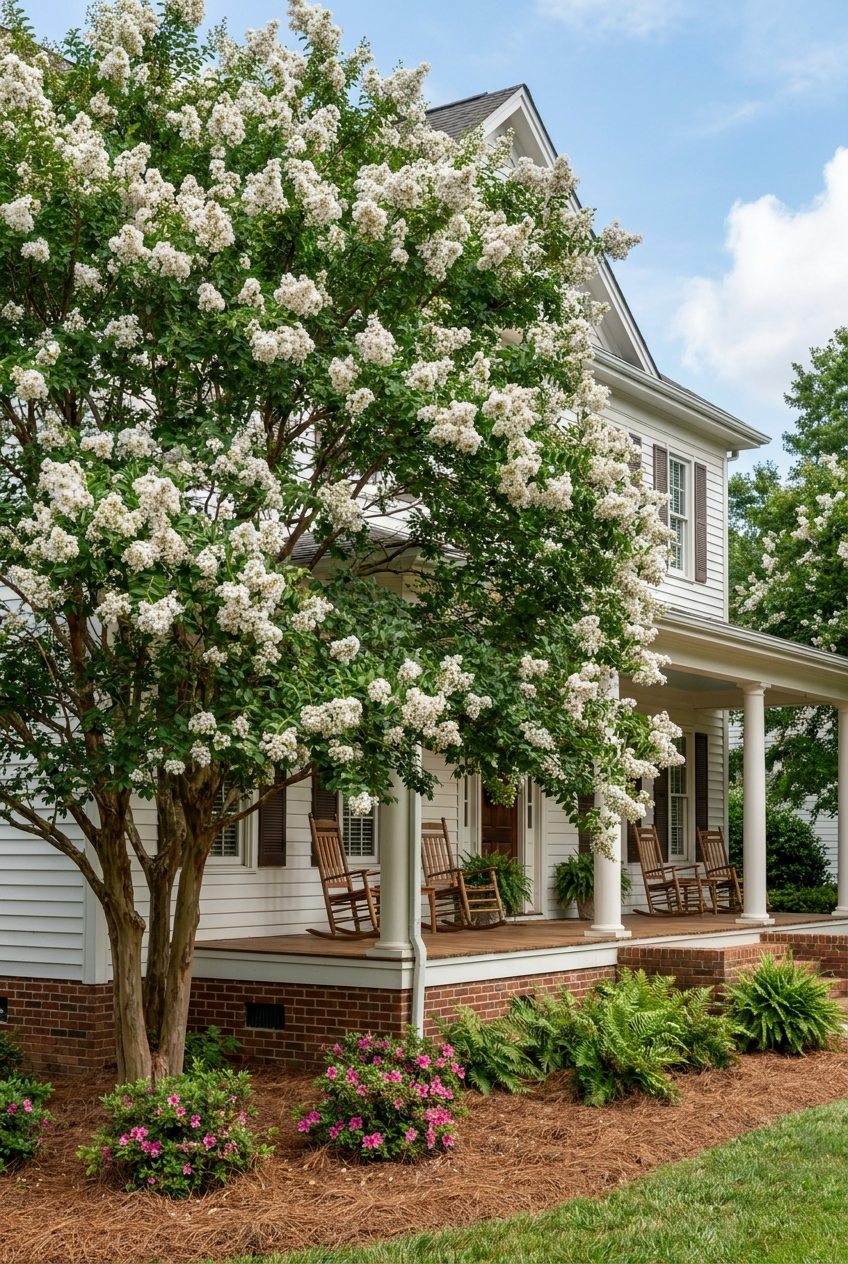
A well-grown crape myrtle has several smooth trunks, a vase-shaped crown and fine upper branches that carry heavy clusters of flowers through July and August. Good crepe myrtle pruning works with that form. We remove suckers, crossing and inward-growing branches, old seed heads and any dead or damaged wood, and we leave the main trunks and the graceful upper structure intact. The tree stays the size it wants to be, and it looks better every year.
Our arborists prune crape myrtles for homeowners, HOAs and commercial properties across Raleigh and the Triangle. We make each cut back to a healthy side branch or to the trunk, with clean, sharp hand pruners and pruning saws, so the wound seals quickly. Nothing is cut to a stub, and no tree is topped. If a tree has been pruned badly in the past, we build a plan to restore its shape over the next few seasons.
Crape myrtles that are pruned correctly are easier to live with. They flower on strong, well-attached branches that hold up in summer storms, their peeling bark stays on show and they need less work each year. Proper crepe myrtle care also lets light and air through the canopy, which helps keep powdery mildew and other leaf problems in check during humid Raleigh summers.
Why Homeowners Trust Our Crape Myrtle Care

Crape Myrtle Trimming Across Raleigh and Wake County
Crape myrtles line streets and front yards in every part of Raleigh, from Five Points, Hayes Barton and Oakwood to North Hills, Brier Creek and Wakefield. We also prune crape myrtles in Cary, Apex, Wake Forest, Garner, Knightdale and Durham. Older neighborhoods often have tall, mature crape myrtles that need careful thinning, while newer subdivisions tend to have young trees that benefit from early shaping. Whatever the size of your crape myrtles, we bring the ladders, pole pruners and hand tools to reach every branch safely.
Many customers book crape myrtle trimming alongside other work on the property. Our tree pruning service looks after the larger shade trees in your yard, and the azaleas, roses and other flowering plants underneath are handled through our shrub and rose bush pruning service. Booking everything on one visit means one crew and one cleanup.
Topping Crepe Myrtles: The Pruning Mistake We Correct Every Winter
Every February, crape myrtles across Raleigh are cut back to bare trunks, a practice known as topping. Topping a crape myrtle forces a cluster of thin, fast shoots to grow from each cut. Those shoots are weakly attached, and they sag under the weight of their flowers and break in wind and ice, as NC State Extension explains. Over time, the cut points swell into knobby knuckles that spoil the look of the tree and invite decay.
A topped crape myrtle can be brought back. We select the strongest new shoots growing from each knuckle, remove the rest and let those chosen shoots grow into new branches over the next two or three years. Within a few seasons, the tree regains a natural shape and stronger limbs. Our guide to why topping damages crape myrtles shows the harm it causes and what a healthy crape myrtle should look like instead.

Schedule Crepe Myrtle Pruning in Raleigh, NC This Season
Call 984-328-3971 or request a free estimate, and we will look at each crape myrtle with you and recommend the right pruning for its size, age and shape. Late winter is the busiest time for crape myrtle work in Raleigh, so booking early secures the best date.
Crepe Myrtle Trimming and Pruning Services We Offer
Every crape myrtle is different, so each pruning plan is built from the methods that suit the tree in front of us. Young trees need early structural pruning to choose their main trunks, while mature trees mostly need thinning, sucker removal and the occasional reduction cut. Topped trees need patient restoration. Every visit ends with a full cleanup of branches, suckers and seed heads.

Structural Crape Myrtle Pruning
Choosing three to five well-spaced main trunks on young trees and removing the rest, so the tree grows into a strong vase shape.

Crepe Myrtle Sucker Removal
Cutting the fast-growing shoots that sprout from the roots and base of the trunks, which steal energy and crowd the tree.

Crepe Myrtle Seed Pod Removal
Removing old seed heads and spent flower clusters from reachable branches for a tidier look and a cleaner start to the season.

Crape Myrtle Canopy Thinning
Removing crossing, rubbing and inward-growing crape myrtle branches to open the canopy to light and air.

Topped Crape Myrtle Recovery
Restoring previously topped crape myrtles by selecting the strongest new shoots at each cut and removing the weak ones.

Crepe Myrtle Bark Scale Inspection
Checking trunks and branches for bark scale and sooty mold during every visit, and explaining the treatment options.
When to Prune Crepe Myrtles in North Carolina
The best time to prune crepe myrtles in North Carolina is late February to early March, while the trees are still dormant and just before new growth begins. With the leaves off, every branch is easy to see, and the tree heals quickly once spring growth starts. Crape myrtles flower on new wood, so pruning at this time does not cost you a single summer bloom. Our month-by-month tree care calendar for Raleigh shows how crape myrtle work fits alongside the rest of the yard.
Light work can be done at other times of year. Suckers can be cut back whenever they appear, and dead or broken branches should come out as soon as they are noticed. Heavy pruning in late summer or fall is best avoided, because it can push tender new growth that is damaged by the first freeze. Removing spent flower clusters early in summer can sometimes encourage a smaller second flush of blooms.
When to Trim Crepe Myrtles: A Seasonal Calendar
Crepe Myrtle Not Blooming? Common Causes and Fixes
A crepe myrtle not blooming is one of the most common concerns we hear in Raleigh, and the cause is usually easy to find. Crape myrtles need at least six hours of full sun to flower well, so a tree slowly shaded out by neighboring oaks or pines will bloom less each year. Heavy pruning in late spring removes the new growth that carries flowers. Too much nitrogen fertilizer from a nearby lawn pushes leafy growth at the expense of blooms, and young trees often take a season or two to settle before they flower fully.
Raleigh’s heavy clay soil adds another factor, because compacted, waterlogged ground around the roots slows growth and reduces flowering, especially on trees planted close to driveways and foundations. Crowded, unpruned crape myrtles can also flower poorly, because shaded interior branches produce few blooms. Thinning the canopy in late winter lets light reach more branches and usually brings flowering back within a season. When shade from a larger tree is the problem, raising or thinning that tree often makes the biggest difference. We check every possible cause during your estimate and explain what will help.
Why Crepe Myrtles Stop Blooming
Crepe Myrtle Bark Scale in Raleigh and Wake County
Crepe myrtle bark scale is an invasive insect that has spread through North Carolina, and it is now a common sight on crape myrtles across the Triangle. It shows up as small white, felt-like patches on the trunks and branches, often in bark crevices and around old pruning cuts, and the insects release a pink fluid when crushed. The scale produces sticky honeydew, which grows black sooty mold on the bark and on nearby plants and paving, as described by NC State Extension. Heavy infestations weaken the tree and spoil the smooth bark that makes crape myrtles so attractive.
We check for crepe myrtle bark scale on every tree we prune in Raleigh, Cary, Apex and Wake Forest, where it is now widespread. Removing badly infested small branches and opening up the canopy helps, and gently washing the trunks with a soft brush clears away much of the scale and sooty mold. For heavier infestations, NC State Extension describes soil-applied systemic treatments in early spring and targeted sprays in late spring and late summer. We explain which approach suits your trees and how to keep the problem from returning.
Signs of Crepe Myrtle Bark Scale
How Our Crape Myrtle Pruning Service Works
Every crape myrtle pruning visit follows the same steady routine, from the first look at your trees to the final cleanup. You know what will be cut and why before we start. Our team works carefully around beds, lawns and driveways and leaves the property tidy.
01
Crape Myrtle Tree Inspection
We look over each tree for crossing branches, suckers, old cuts, bark scale and any dead or damaged wood.
02
Crape Myrtle Pruning Plan and Written Estimate
We agree on which branches to remove and how the finished trees will look, then give you a written estimate.
03
Clean Crape Myrtle Pruning Cuts
Each cut is made back to a healthy side branch or the trunk, never to a stub, so the tree seals over quickly.
04
Protecting Crape Myrtle Bark and Beds
We work from ladders placed with care, keep tools off the smooth bark and protect the plants and mulch around each tree.
05
Crape Myrtle Cleanup and Haul-Away
Every branch, sucker and seed head is raked up and hauled away, and we walk the trees with you before we leave.

Crepe Myrtle Pruning FAQs for Raleigh, NC Homeowners
Every crape myrtle estimate from Ashland Tree Service is free and comes with honest advice about your trees. For a question about a particular tree, call 984-328-3971 and speak with our team.
When Is The Best Time To Prune Crepe Myrtles In Raleigh?
Late February to early March is the best time to prune crepe myrtles in Raleigh, while the trees are dormant and just before new growth starts. Crape myrtles flower on new wood, so pruning at this time keeps every summer bloom. Suckers and dead branches can be removed at any time of year.
How Far Back Should Crepe Myrtles Be Cut?
Most crepe myrtles should not be cut back at all in the way many people expect. Good pruning removes suckers, crossing branches, seed heads and branches smaller than a pencil at the tips, and it never cuts the main trunks back to stubs. If a tree is too large for its space, we reduce it with careful cuts back to side branches instead of topping it, and we never remove more than about a quarter of the living crown in one season.
Should You Prune Crepe Myrtles Every Year?
Crepe myrtles do not need heavy pruning every year. A light annual visit in late winter to remove suckers, crossing branches, dead wood and old seed heads keeps them healthy and tidy. Young trees benefit from structural pruning in their first few years so they grow into a strong shape.
Why Is Topping Bad For Crepe Myrtles?
Topping means cutting crape myrtles back to bare trunks or stubs every winter. It produces weak, crowded shoots that sag under their flowers and break in storms, and it leaves knobby knuckles on the trunks. We restore topped trees by selecting the strongest new shoots and letting them grow into proper branches.
Can A Topped Crepe Myrtle Recover?
Yes. Most topped crepe myrtles recover well with patient pruning over two or three years. We choose one or two strong shoots at each old cut, remove the rest and let the chosen shoots develop into new branches, so the tree regains a natural shape.
How Do You Remove Crepe Myrtle Suckers?
Crepe myrtle suckers are cut cleanly at the point where they grow from the root or the base of the trunk, using sharp hand pruners. Pulling or mowing them tends to make them grow back thicker. Regular removal through the summer keeps the base of the tree neat and its energy focused on the main trunks.
Should Crepe Myrtle Seed Pods Be Removed?
Removing crepe myrtle seed pods is optional. Taking off spent flower clusters early in summer can encourage a smaller second bloom, and removing old seed heads in late winter gives the tree a tidier look. On tall trees, we only remove seed heads that can be reached safely without damaging branches.
How Much Does Crepe Myrtle Pruning Cost In Raleigh?
Crepe myrtle pruning is priced after a free on-site visit, because the cost depends on the number and size of your trees, how much pruning they need and whether any restoration work is involved. You get a clear written price before any work starts, and cleanup is always included.