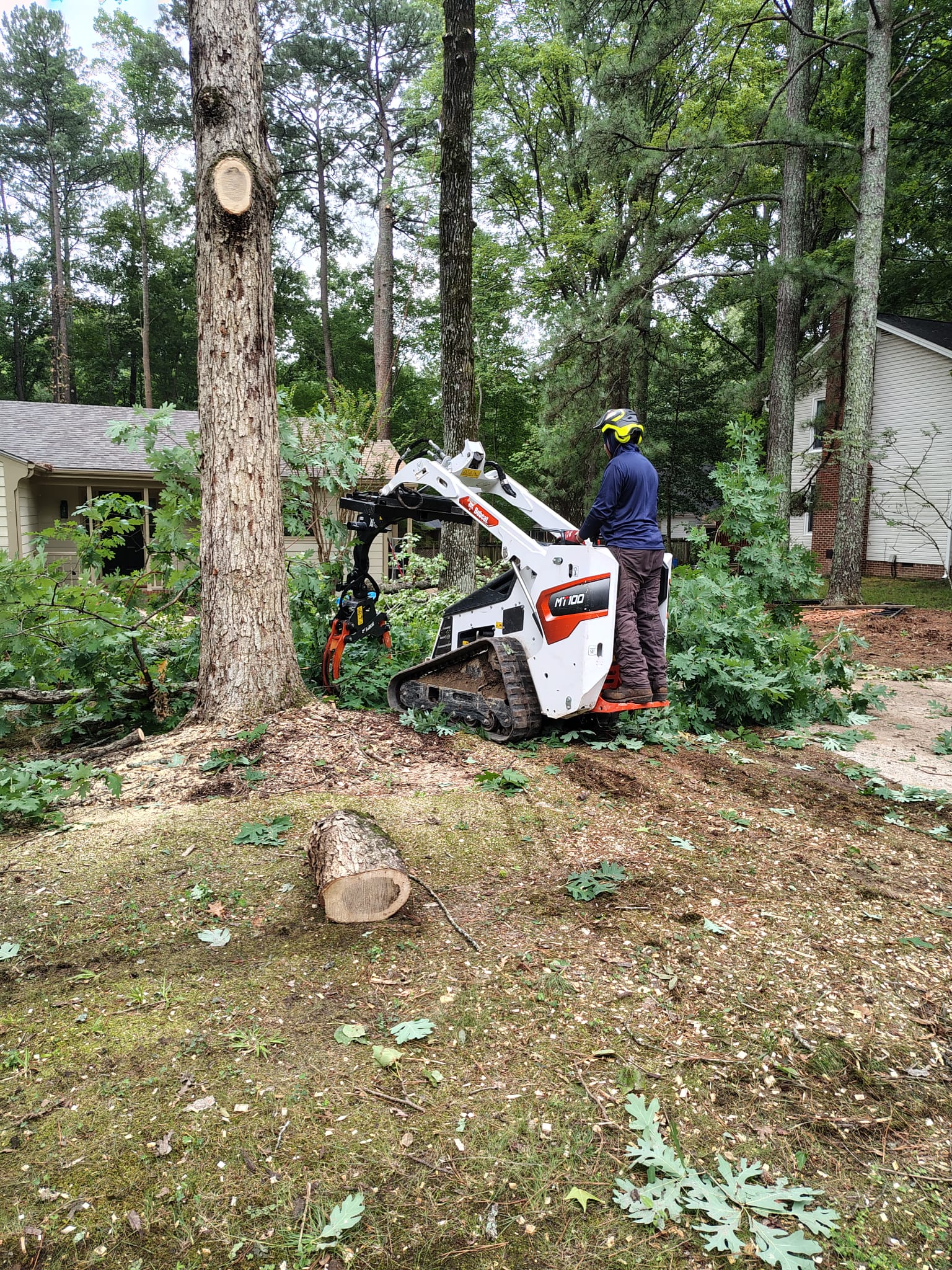
Tree Removal Raleigh, NC
Need a tree removed safely and professionally? Ashland Tree Service provides expert tree removal throughout Raleigh and surrounding areas. Whether it’s a hazardous tree, storm-damaged tree, or a large removal requiring a crane , our experienced crew gets the job done safely while protecting your property.
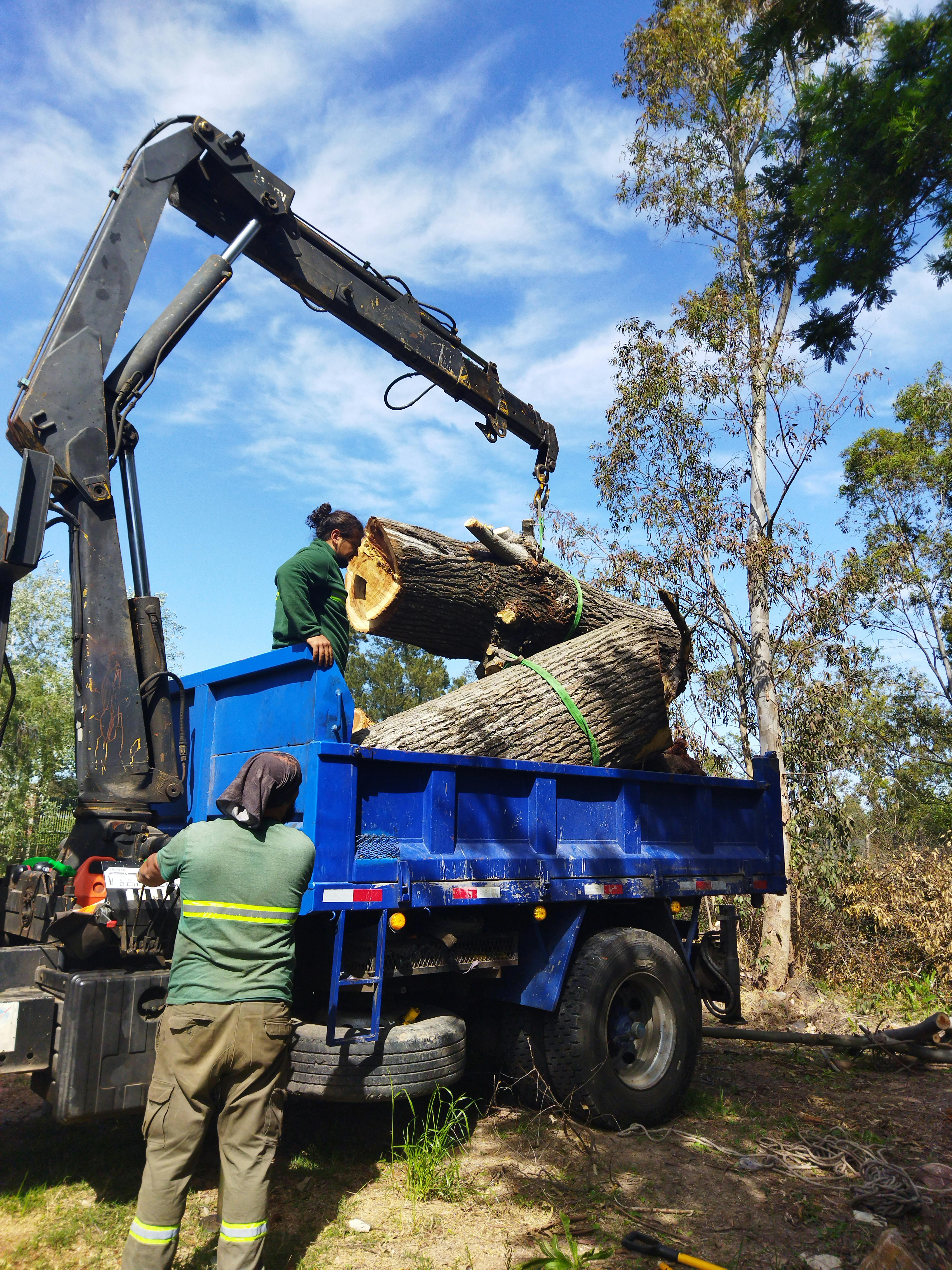
Trusted Tree Removal Experts in Raleigh, NC – Over 30 Years of Experience
Removing large, hazardous, or storm-damaged trees requires skill, precision, and the right equipment. At Ashland Tree Service, we specialize in professional tree removal throughout Raleigh, NC, using bucket trucks, cranes, and proven techniques to safely manage trees of all sizes and challenges. Our team ensures every job is handled efficiently while protecting your property and landscape.
For over 30 years, we’ve provided dependable tree removal services to both homeowners and commercial properties across Raleigh and the surrounding Triangle area. Our experience allows us to quickly assess the safest approach for each tree, minimizing risk and disruption while delivering clean, professional results.
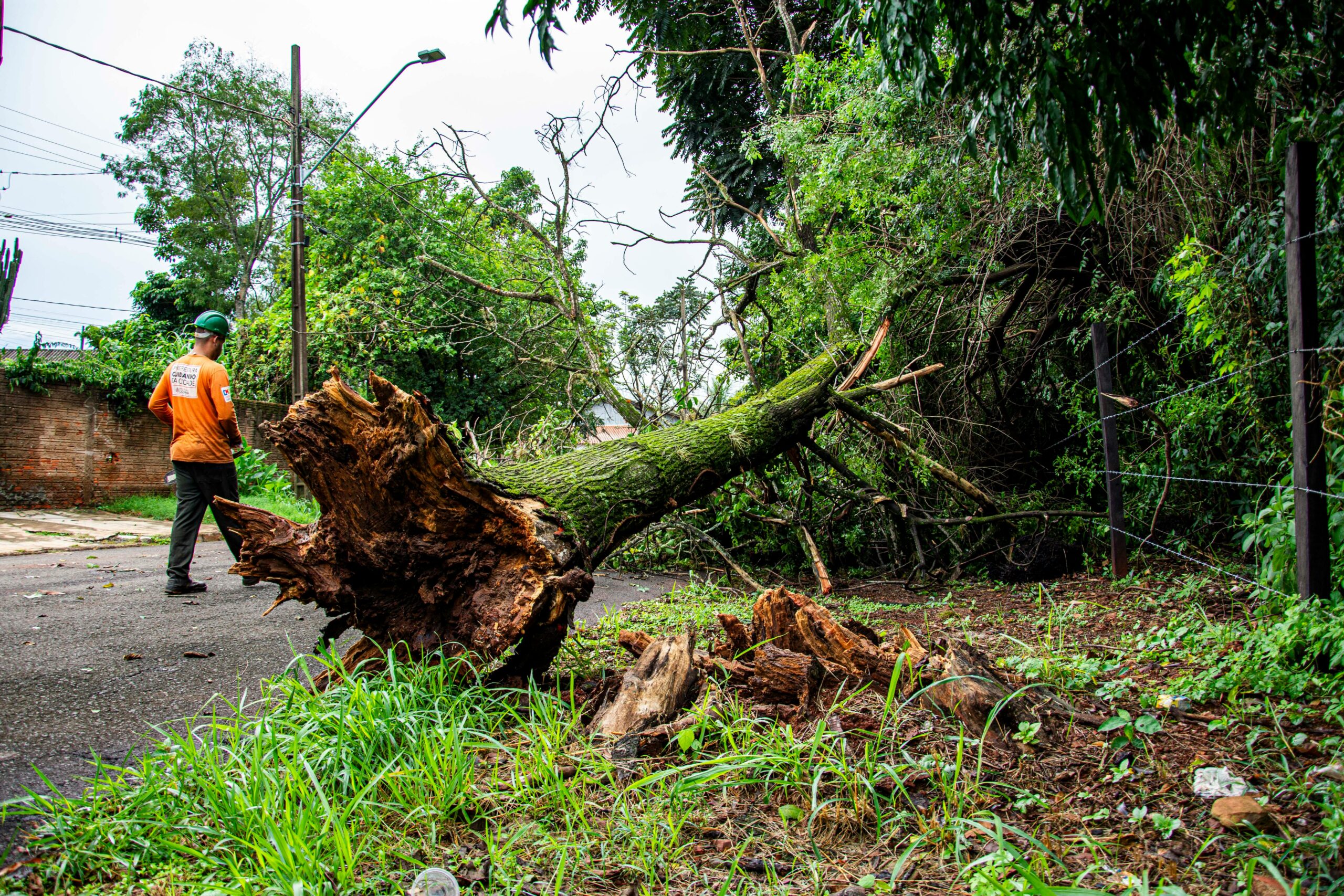
Whether it’s a storm-damaged oak leaning too close to your home, a diseased or dying tree threatening your yard, or a full-scale tree clearing on a commercial property, our certified arborists bring the expertise, equipment, and knowledge needed to complete every removal safely, efficiently, and with care.
Why Choose Ashland Tree Service for Tree Removal?

Why Ashland Tree Service Stands Out In the Raleigh Area?
When it comes to tree removal, experience and precision make all the difference. At Ashland Tree Service, we handle every job with care, ensuring your trees are removed safely, efficiently, and without damaging your property. From hazardous storm-damaged trees to large oaks near homes or power lines, our certified arborists have the tools, knowledge, and skill to complete every project seamlessly. We take pride in providing service that protects your property while enhancing your landscape.
Tree Removal You Can Count On.
Removing a tree isn’t just about cutting it down—it’s about protecting your family, home, and yard. Our team approaches every tree with a careful plan, combining industry-leading equipment with decades of local expertise. Whether you need a single tree removed from your backyard or a large-scale commercial clearing, Ashland Tree Service delivers fast, professional results with minimal disruption, leaving your property safe, clean, and ready to enjoy.
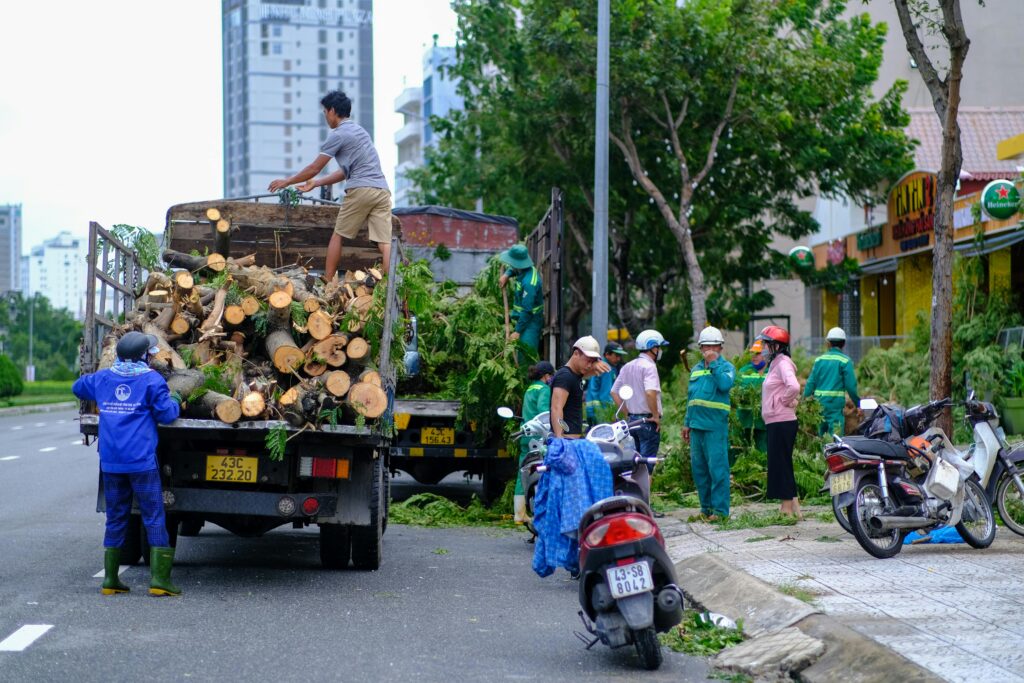
Looking for safe and reliable tree removal in Raleigh, North Carolina? Trust the experts at Ashland Tree Service for a fast, professional, and hassle-free experience. We handle everything from storm-damaged trees to high-risk removals with precision and care.
Trusted Tree Removal Solutions in Raleigh & the Research Triangle
From small residential jobs to large commercial tree removal projects, the experts at Ashland Tree Service have the knowledge, experience, and equipment to safely remove trees of any size or complexity. No matter how challenging the situation, our certified arborists can handle it efficiently, protecting your property and landscape every step of the way.

Traditional Climbing Removal
Skilled arborists climb trees to safely remove them or lower sections in tight spaces.

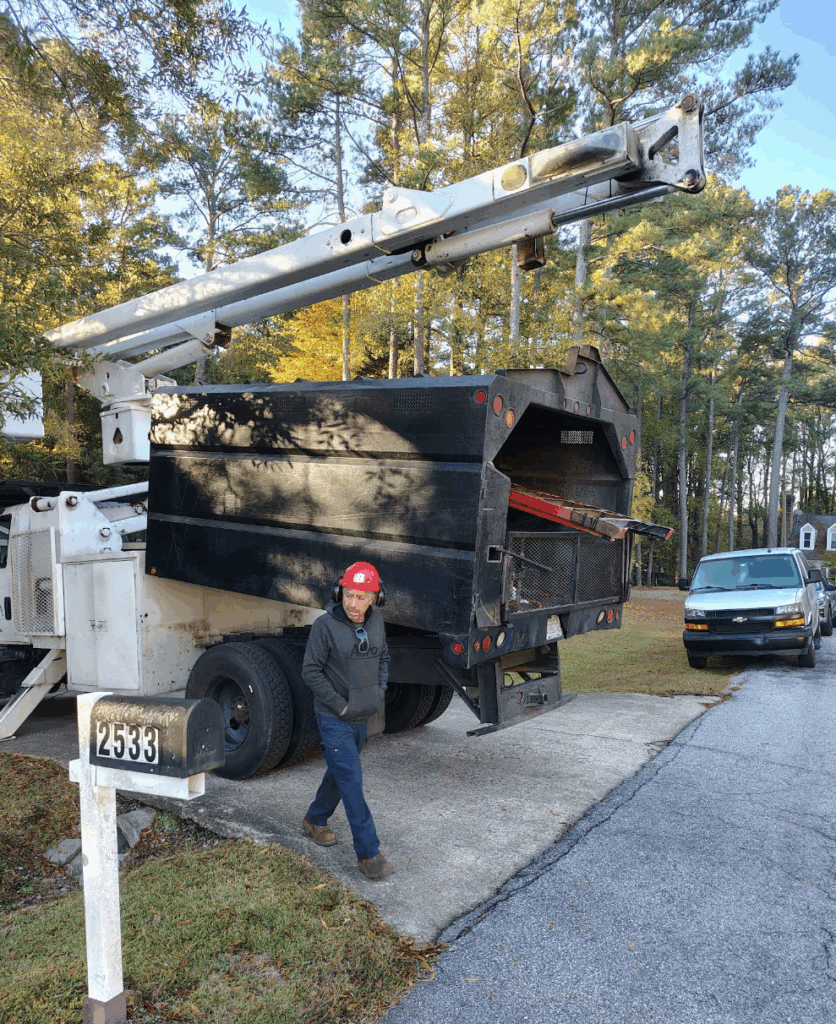
Bucket Truck Service
Reach difficult or dangerous trees safely from above using our bucket trucks.
Crane-Assisted Removal
Safely dismantle large or hazardous trees, even in delicate locations.

Grapple Saw
Cut and remove high-risk or hard-to-reach trees remotely and efficiently.
Spider Lift
Access tight backyards or tricky terrain for safe tree removal.

Tree Disposal
Complete on-site cleanup leaves your property neat and ready to use.
Our Tree Removal Process
Ashland Tree Service makes tree removal safe and hassle-free. From inspecting your property and planning the job to using expert techniques for removal and cleaning up afterward, we handle every step efficiently, leaving your yard safe, clean, and worry-free.
01
Schedule Your Inspection
Reach out to us by phone at 984-328-3971 or through our online form to arrange a convenient time for a site visit.
02
Property Assessment
Our certified arborists evaluate your property, inspect the trees, and identify potential hazards. We provide a clear plan and detailed estimate for the work ahead.
03
Preparation for Removal
On the scheduled day, we arrive on time, set up all necessary equipment, and take measures to protect your home, landscaping, and surrounding property.
04
Professional Tree Removal
Our skilled team carefully dismantles each tree, section by section, using cranes, bucket trucks, or climbing techniques. We remove debris efficiently as we work.
05
Final Cleanup & Review
After the removal, we thoroughly clean the site, grind stumps if requested, and review the work with you to ensure your complete satisfaction.

FAQs About Tree Removal in Raleigh
Tree removal can be a major project, and it’s normal to have questions. Here are some of the most common questions we receive from homeowners and businesses in Raleigh, Cary, Durham, and the surrounding areas:
Do you provide free tree removal estimates?
Yes! We offer free, no-obligation quotes to help you plan your project.
Is a permit required to remove a tree?
Many local municipalities require permits for certain trees. We can guide you through the process to ensure compliance.
Will tree removal damage my property or landscaping?
Our certified arborists take every precaution to protect your home, yard, and plants during the removal process